


Knowledge centre
Guidelines for a sustainable textile sector
Big challenges await
For today's textile companies, it is crucial to take responsibility. More so: ignoring sustainability and circularity can have major consequences for brand reputation. Fortunately, there are already numerous evolutions today that promote sustainability.
The distribution sector is betting on reusable packaging. Recycled materials and bio-based plastics are on the rise and new packaging is being designed with recycling in mind. For online purchases, sustainable packaging is being sought, while in physical shops classic plastic carrier bags are being avoided as much as possible. Yet there is still a long way to go towards a truly sustainable textile sector ...
Four important pillars for sustainability
Sustainability and circularity can be integrated in four areas in a textile company. Although they are separate concerns, they are indeed closely intertwined. For example, sustainable packaging involves much more than using fewer materials. You can use different raw materials, adjust customers’ purchasing and disposal behaviour or approach the packaging process and logistics differently.
1. Raw materials
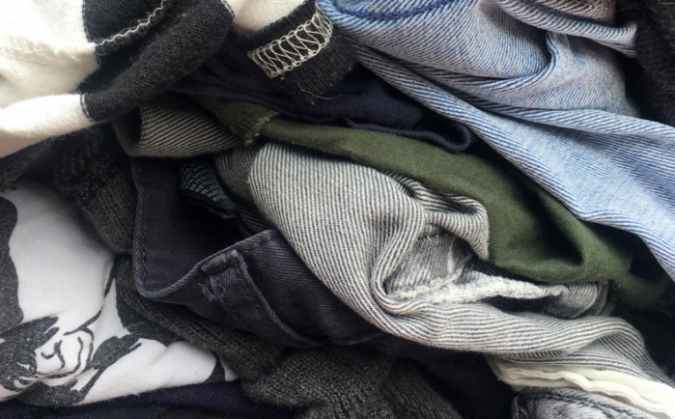
Everything starts with choosing the right raw materials. What are the options? What is the environmental impact of each raw material? And can the raw material be easily recycled? For workwear, zippers, buttons, any coatings, etc. can make the recycling process more difficult. Don’t forget that many recycled textiles already exist and you can look at possible alternatives. How about clothing made of hemp fibre?
2. Production
There are several ways to make the production process more sustainable. Take a closer look at the prototypes, for instance. Can you work with a zero waste pattern design or partially digitise the samples? Also carry out thorough quality checks: colourfastness, fit, strength of joints, … they all contribute to the quality and lifespan of clothing. Emotional value also plays a role. Those who are attached to a garment, for example a high-quality tailor-made suit, are less likely to discard it.
In effective production, it is important to monitor conditions closely. Are environmental laws respected? Is there no water wastage? Does production run on renewable energy? Local production is naturally easier to monitor in this respect. New production methods such as printing or 3D weaving in small runs are also a sustainable idea.
Packaging and transport are also important
3. Packaging
Packaging may not be the first thing you think of when thinking about sustainable textiles, but it can make a big difference. Clothes hangers, packaging bags, adhesive strips, labels … they all have sustainable counterparts which, by the way, are available at Marisan’s.
– Clothes hangers are often discarded after transport. Therefore, ask the question whether hanging transport is really necessary? If so, perhaps the supplier can reuse the hangers or opt for a recyclable alternative, such as cardboard.
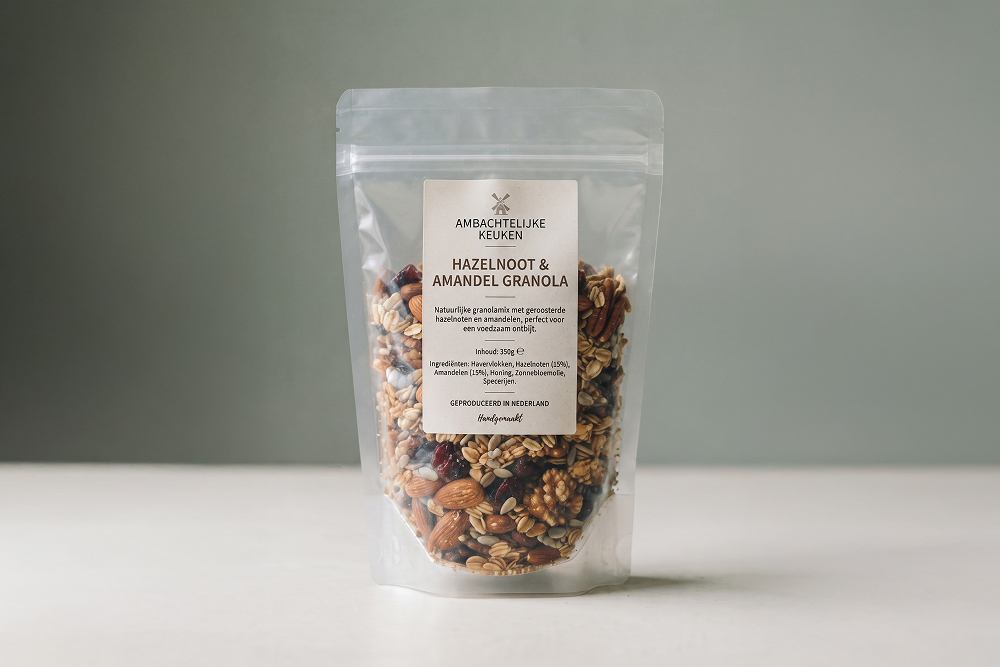
– Plastic packaging for individual items is sometimes indispensable, e.g. for long storage. In that case, choose recycled plastics or bio-based or biodegradable plastics from natural sources such as sugar cane or maize.
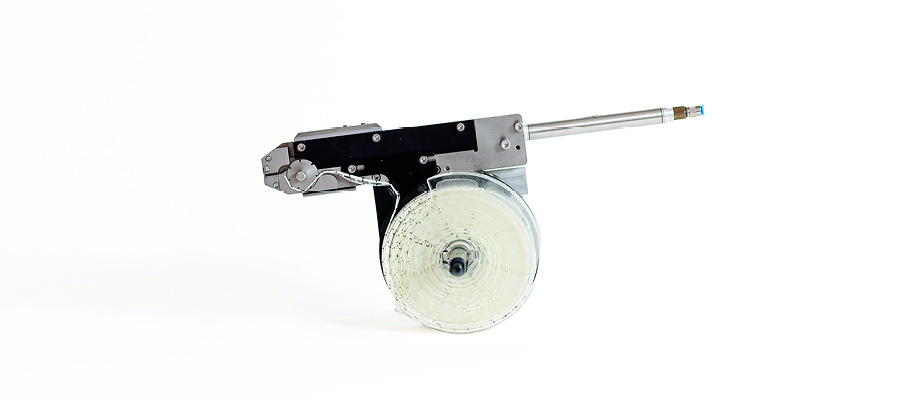
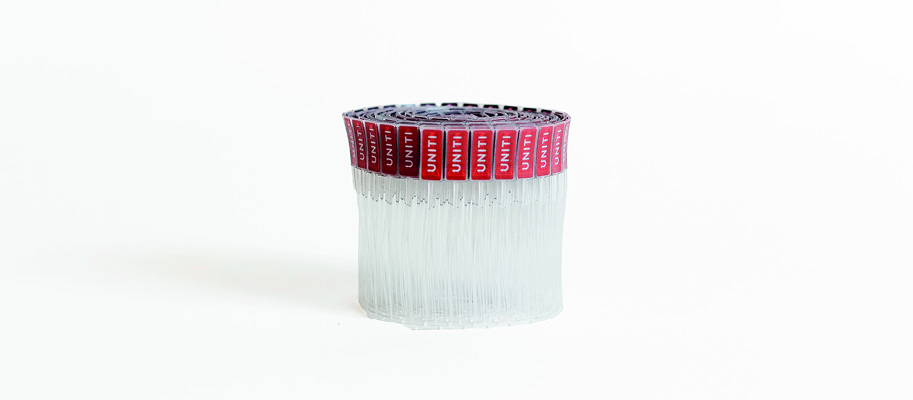
– Hang tags contain important info about the manufacturer, the material, … but are usually discarded immediately. Recycled alternatives exist for the cardboard label, the plastic attachment can be replaced by hemp, flax or jute.
– Labels and tags with the size, washing instructions, … can be made of organic cotton, but also, for example, of the same material as the garment. There are also options to avoid additional labels and have the info printed into the garment through tampon or screen printing.
4. Transport
Transport is the last pillar where sustainability can be gained. Companies that transport their own products often do so with half-empty trucks. Specialised transport companies can optimise their loads so that a truck never leaves empty. It is also a good idea to look into the possibilities of transport by train, ship, plane, bicycle, …. Synchronous transports are the ultimate goal here: you combine the advantages of all means to transport efficiently and sustainably.
Towards circularity
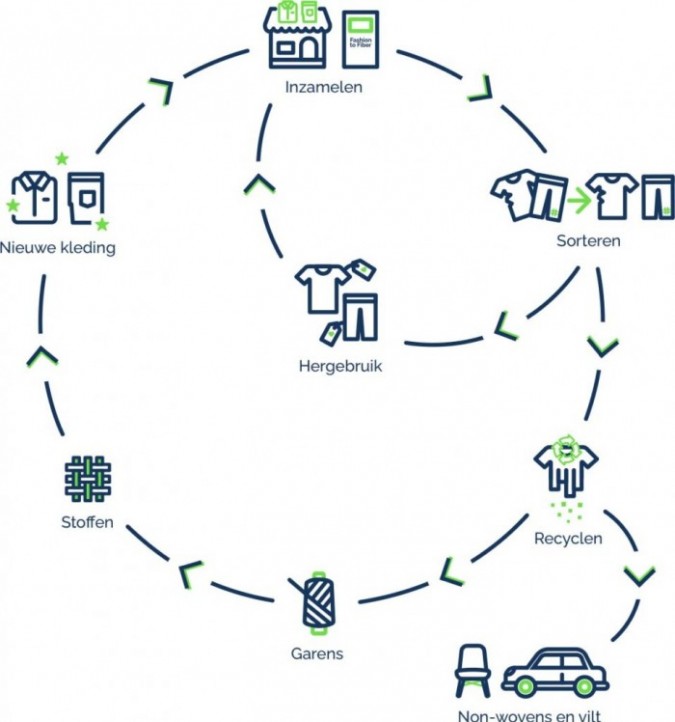
A circular textile sector is the pinnacle of sustainability. The combination of the above efforts is already a good start, but to make the textile sector fully circular, there are three main areas of focus:
1. Sustainable fibre choices: natural fibres can reduce the impact of fossil raw materials, but the properties are not always equivalent. Therefore, it is important to match fibres to their expected use, lifespan and end-of-cycle processing.
2. More research on microplastics emissions: synthetic clothing contains a lot of microplastics. Much research is needed to see how emissions of those microplastics can be reduced throughout the textile life cycle.
3. Optimise collection and recycling: to avoid using new raw materials again and again, better separate waste collection and high-quality re-use and recycling are crucial. From 01/01/25, separate collection of textile waste will therefore become mandatory in the EU.
Marisan as a partner in sustainability
From packaging over labels to attachments, sustainability is woven into our entire product range. That is why we like to think together with you about ways to win sustainability and efficiency. Matching the right product with the right raw material, we go for tailor-made solutions time and again!
Some possibilities:
- PCR-based LDPE and Coex bags as transport packaging
- Durable labels and emblems (woven, non-woven, other materials)
- Hang tags, attachments and guns
- Garment bags and totes
- Labelling and warehouse solutions
Sources for this article: KIDV, VITO and ‘Purchase roadmap for circular textiles’ (Hogeschool Gent).
Explore further
Thermal vs. thermal transfer labels: what’s the difference and which should you choose?
Blog
In the world of labelling and label printing, you’ll quickly encounter two key printing techniques: direct thermal printing and thermal transfer printing. Although they may seem similar at first glance, they differ ...
Read moreReusable carrier bags are conquering the high street again
Blog
Reusable carrier bags have become an increasingly common sight in the streets. From cotton tote bags to sturdy jute bags, customers use them for groceries, work or a day of shopping.
Read morePaper carrier bags in a new look: bamboo
Nieuws
The world of packaging never stands still. At Marisan, we are constantly exploring new materials and solutions that align with the evolving expectations ...
Read moreTextile labels: legally required and an opportunity to let your brand speak
Blog
Textile labels are more than small pieces of fabric. They are used across many sectors, including textiles, healthcare and logistics, and are often integrated early in the production and sales process ...
Read moreZéfal runs on efficiency with an IndES module from Marisan
Case
Attachments may seem like a small part of a product, but in an industrial production environment they make a world of difference ...
Read morePackaging in three layers: what you need to know about primary, secondary and tertiary packaging
Blog
Packaging is more than just putting a product in a box. Behind every item lies a smart, three-layer structure ...
Read moreEfficient Inventory Management? Discover How Marisan Supports You from Label to Pallet
Blog
A well-organized inventory system involves more than just stacking boxes. It requires smart labeling, reliable packaging, and secure shipping. At Marisan ...
Read moreOrder faster through our webshop!
Nieuws
NogMeerVerdiepen
Order faster through our webshop! Your repeat order? Now just one click away. Good news! From now on, as an existing customer, you can easily place your packaging or label orders online through our exclusive customer webshop.
Read moreLabels that stick (or don’t): choosing the right adhesive for every application
Blog
Labels are more than just carriers of information. They play a crucial role in product recognition, logistics efficiency and traceability. But even the best-designed label won’t perform as intended without ...
Read moreEPR for packaging: who pays the bill for sustainability?
Blog
Duurzaamheid
Knowledge centre EPR for packaging: who pays the bill for sustainability? EPR or Extended Producer Responsibility sounds like a noble principle. And it is: Europe wants to make producers more...
Read more