
Knowledge Centre
PPWR: The new European packaging rules, what do they mean for you?
The packaging industry has been shaken up considerably at the start of this year. With the arrival of the Packaging and Packaging Waste Regulation (PPWR), the European Union is significantly tightening the rules on packaging. Less waste, more re-use and stricter recycling standards will become the new standard. That sounds like a big challenge, and it is. But it also offers opportunities for innovation and more sustainable packaging solutions. In this blog, we dive into the heart of the PPWR and show how Marisan and its customers are preparing for it.
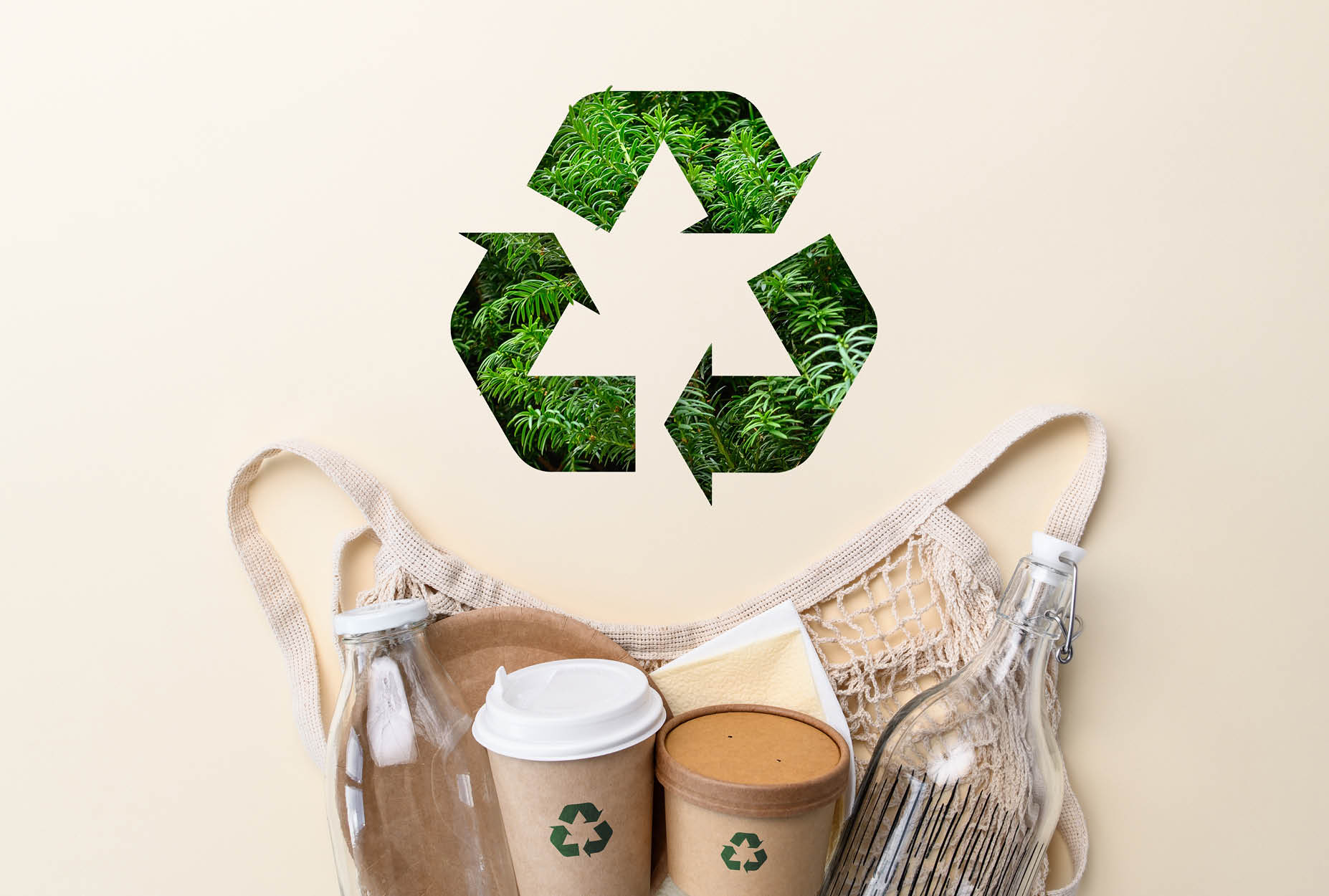
What are the main goals of the PPWR?
- Less packaging waste: no unnecessary layers and a ban on ‘unnecessary packaging’.
- More reuse and recycling: packaging should be easier to recycle and some sectors should switch to reusable packaging systems.
- Use of recycled material: plastic packaging will soon have to contain a minimum percentage of recycled material.
- Single European legislation: no more jumble of national rules, but clear guidelines for all companies producing or using packaging.
The first major changes will take effect from 2030, with further tightening in 2035. So companies need to take steps now to comply with the new requirements.
Specifically, what will change?
1. Stricter requirements for recyclability
From 2030, stricter requirements will apply to the recyclability of packaging. This means that:
- Materials must be easier to recycle.
- Packaging that does not fit well into existing recycling systems should disappear from the market.
- The ‘Design for Recycling’ guidelines come into force. This means that packaging should not only be theoretically recyclable, but also effectively recyclable. And this is often not the case now.
2. Restrictions on excessive packaging
Sometimes you see a product with three layers of plastic, a cardboard box and another plastic film around it. The EU wants to get rid of that. Soon, packaging will have to be as efficient as possible, with:
- Less space and air in packaging.
- No unnecessary layers of packaging unless strictly necessary.
- A ban on packaging designed solely to make the product look bigger.
3. Minimum percentage of recycled material in plastic packaging
From 2030, plastic packaging must contain a minimum percentage of recycled material. This varies by type of packaging, but the intention is clear: less dependence on fossil raw materials and increased demand for recycled materials.
4. More reusable packaging
Certain sectors should switch to reusable packaging systems. Think, for example, of transport packaging and beverage packaging. Especially in the hospitality and retail sector, reuse is becoming the new norm.
Challenges for the packaging industry
While the objectives of the PPWR sound logical, in practice it is often a more difficult issue. We would like to highlight two major, specific challenges for our suppliers.
1. Paper packaging and the EUDR
In addition to the PPWR, another European law is coming that will give paper producers and users a headache: the EU Deforestation Regulation (EUDR). This law requires paper producers, and all subsequent participants in the chain, to state exactly which tree species and regions the paper comes from.
This sounds good in theory, but in practice this is almost impossible for some applications. Paper is often produced in silos where wood pulp from as many as 60 different tree species is mixed. Suppliers can therefore hardly trace which trees eventually end up in the paper. This creates major administrative challenges and possibly even delivery problems.
2. Food and pet food packaging
For (pet) food products, packaging not only aims to be sustainable, but also to keep the product safe and fresh. Many food packages therefore have special barrier layers that protect against moisture, air and bacteria. These barrier layers often consist of multiple materials, such as aluminium-coated plastic or coated cardboard packaging. This makes recycling more difficult. The challenge for this industry is to develop packaging that is both food-safe and recyclable, which is easier said than done.
How Marisan is preparing for the PPWR
1. Moving to mono-material packaging
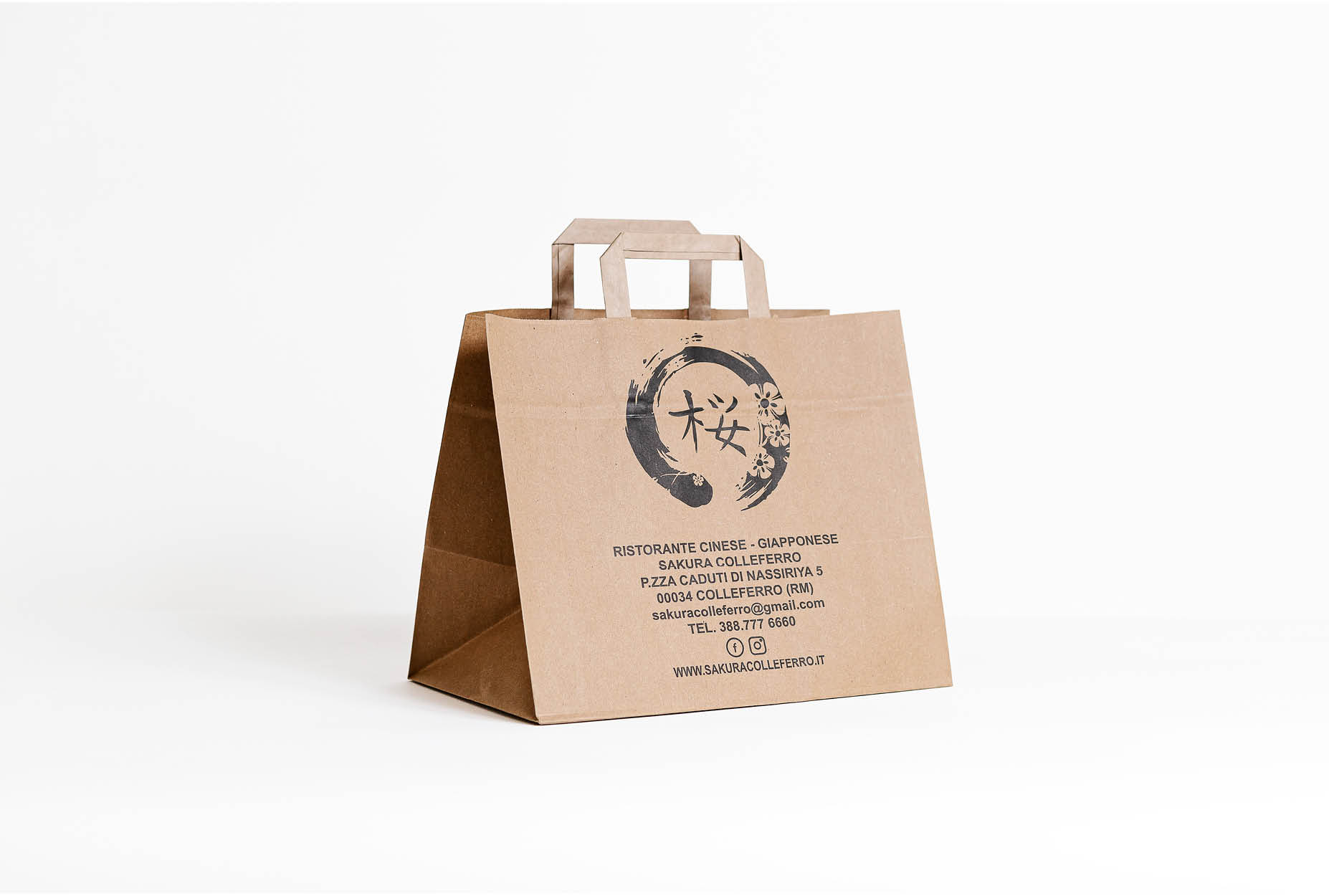
One of the most important changes we are making is the move to mono-material packaging. What does that entail? Many packages are composed of different materials (e.g. plastic and aluminium), making them difficult to recycle. By switching to mono-materials (consisting of a single material), we make packaging easier to recycle and more suitable for the circular economy. For example, we already have paper bags with paper strings and loop handles in our range. And more to come!
2. Advice and support for customers
The PPWR affects not only packaging producers, but also companies that use packaging. Therefore, we are happy to help our customers with:
- Understanding the legislation: what does the PPWR mean concretely for their packaging?
- Sustainable alternatives: which packaging does meet the new requirements?
- Smart designs: how to ensure recyclable packaging without sacrificing functionality?
The future of packaging: take action now
The PPWR is changing the rules of the game in the packaging industry. Where sustainability was previously a choice, it is now becoming a must. Companies that do not adapt risk their packaging being banned from the market from 2030 onwards. Want to know what the PPWR means for your business and how to future-proof your packaging? Contact us for a no-obligation consultation!
Gerelateerde producten
Explore further
Efficient Inventory Management? Discover How Marisan Supports You from Label to Pallet
Blog
A well-organized inventory system involves more than just stacking boxes. It requires smart labeling, reliable packaging, and secure shipping. At Marisan ...
Read moreOrder faster through our webshop!
Nieuws
NogMeerVerdiepen
Order faster through our webshop! Your repeat order? Now just one click away. Good news! From now on, as an existing customer, you can easily place your packaging or label orders online through our exclusive customer webshop.
Read moreLabels that stick (or don’t): choosing the right adhesive for every application
Blog
Labels are more than just carriers of information. They play a crucial role in product recognition, logistics efficiency and traceability. But even the best-designed label won’t perform as intended without ...
Read moreEPR for packaging: who pays the bill for sustainability?
Blog
Duurzaamheid
Knowledge centre EPR for packaging: who pays the bill for sustainability? EPR or Extended Producer Responsibility sounds like a noble principle. And it is: Europe wants to make producers more...
Read moreThe advantages of IndES modules: faster, cheaper, and more sustainable than blister packaging
Blog
Duurzaamheid
NogMeerVerdiepen
Looking for a modern alternative to tie wraps, blister packaging, or twist ties in an industrial production or retail environment?
Read moreThe FSC label: why responsible forest management makes your brand stronger
Blog
Duurzaamheid
NogMeerVerdiepen
Sustainability is no longer a hype, but a necessity. In a world where consumers and companies are making increasingly conscious choices, environmental labels play an important role.
Read moreSilk paper: the elegant and ecological choice for your packaging
Blog
NogMeerVerdiepen
In a world where sustainability and perception are increasingly important, silk paper is gaining popularity as a packaging material. And rightly so.
Read moreLeiepoort Deinze opts for sustainable non-woven carrier bags by Marisan
Case
Scholengroep Leiepoort Deinze attaches great importance to sustainability, equality and small-scale teaching.
Read moreThank you, Jos. Welcome, Karel!
Nieuws
On April 30, Jos closed his chapter at Marisan after 14 years as Purchase Manager. His dedication, knowledge, and pleasant collaboration made him a strong asset to our team.
Read moreWhat is the difference between woven and non-woven carrier bags?
Blog
NogMeerVerdiepen
When choosing the right carrier bag for your company or campaign, you quickly come across the terms woven and non-woven. But what exactly is the difference between these two types of carrier bags?
Read more