




Explore further
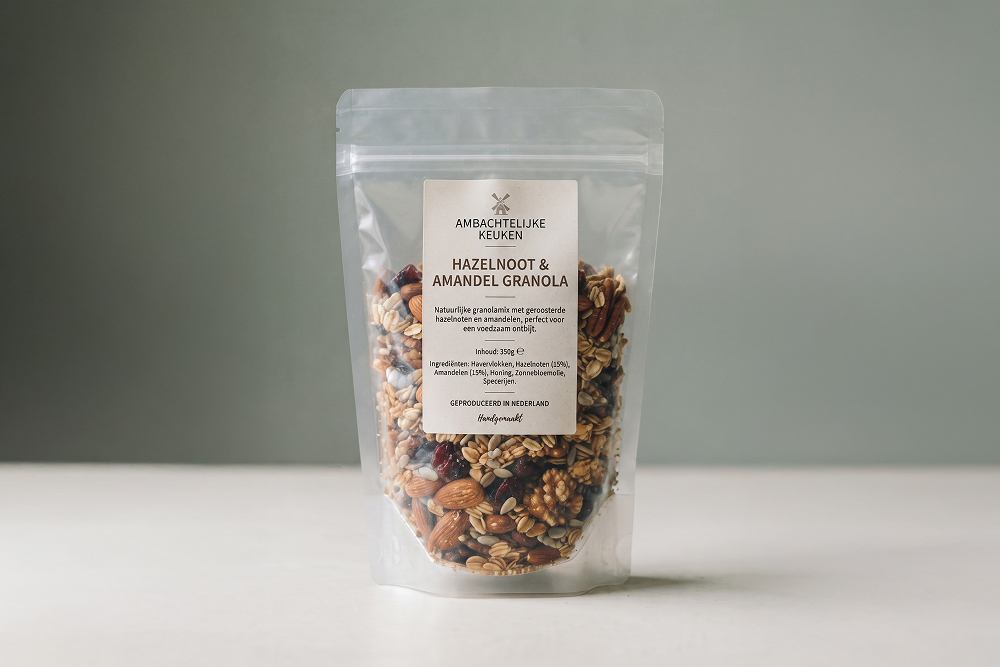
Transparent packaging builds trust and drives sales
Knowledge Centre Transparent packaging builds trust and drives sales Packaging has only a few seconds to attract attention. Colour, shape and printing all play an important role, but sometimes the most powerful presentation ...
Read more
Transport labels and warehouse labels: how to avoid errors and wasted time
In a warehouse or distribution centre, every second counts. An incorrect label, an unreadable barcode or unclear location information can quickly lead to incorrect deliveries, delays and additional costs.
Read more
Mono-material packaging: ready for the new recycling regulations
The packaging industry is on the brink of a major transformation. With the introduction of the Packaging and Packaging Waste Regulation (PPWR), the requirements for recyclability are becoming increasingly stringent ...
Read more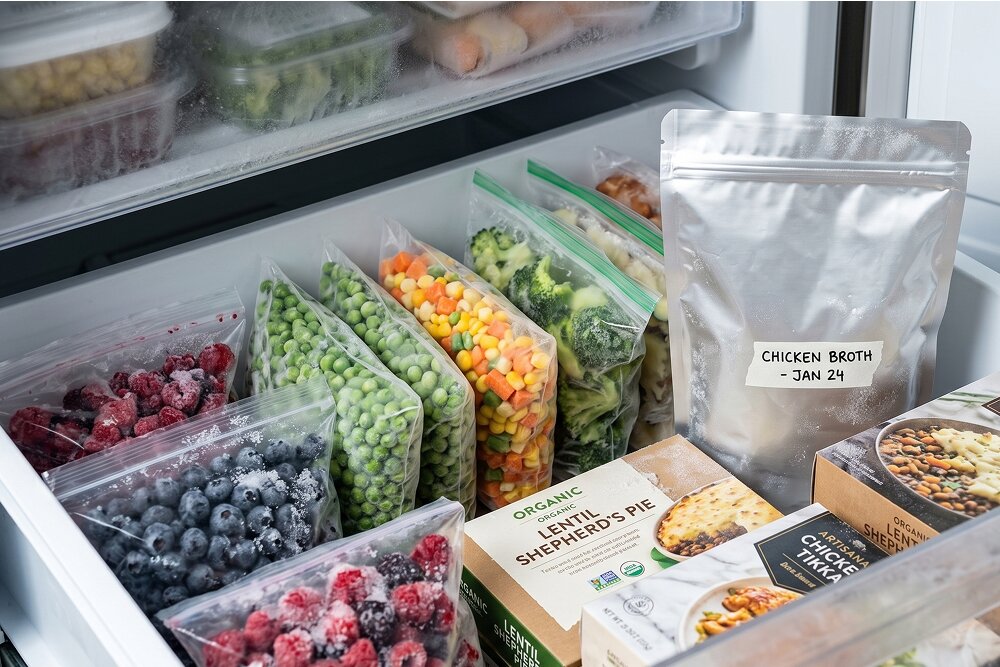
Which packaging solutions are most suitable for frozen products?
Frozen products place high demands on their packaging. Not only must packaging withstand temperatures well below freezing, it must also protect against moisture, freezer burn ...
Read more
Legal requirements for shipping bags: what do shippers and webshops need to know?
Packaging regulations are evolving rapidly. For webshops, logistics companies and businesses that ship parcels every day, it is becoming increasingly important to use packaging correctly, efficiently and sustainably ...
Read more
Thermal vs. thermal transfer labels: what’s the difference and which should you choose?
In the world of labelling and label printing, you’ll quickly encounter two key printing techniques: direct thermal printing and thermal transfer printing. Although they may seem similar at first glance, they differ ...
Read more
Reusable carrier bags are conquering the high street again
Reusable carrier bags have become an increasingly common sight in the streets. From cotton tote bags to sturdy jute bags, customers use them for groceries, work or a day of shopping.
Read more
Paper carrier bags in a new look: bamboo
The world of packaging never stands still. At Marisan, we are constantly exploring new materials and solutions that align with the evolving expectations ...
Read more
Textile labels: legally required and an opportunity to let your brand speak
Textile labels are more than small pieces of fabric. They are used across many sectors, including textiles, healthcare and logistics, and are often integrated early in the production and sales process ...
Read more
Zéfal runs on efficiency with an IndES module from Marisan
Attachments may seem like a small part of a product, but in an industrial production environment they make a world of difference ...
Read more