
Knowledge centre
Zilton men’s trousers stylishly and sustainably packed
Zilton trousers wrinkle-free and durable to shops
As in the media, the topic of sustainability is also very much alive at Marisan. With every packaging and every process, we ask ourselves whether things could be better or more sustainable. Plastic particles are sometimes blamed as one of the ‘guilty’ polluters of our planet. However, we have to tell you: plastic is – sometimes – useful.
The condition is that you use plastic only when necessary and in a thoughtful way. For instance, plastic protects our food (good for its shelf life) and protects goods during transport.
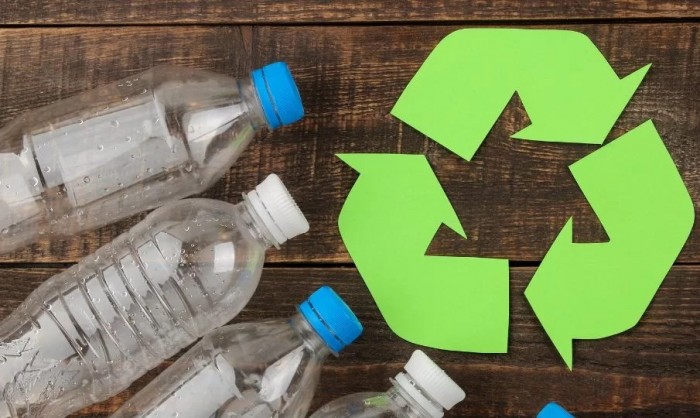
We explored the positive aspect of plastic and examined how it can contribute to a circular economy. Because yes – there are several ways to halt the growing waste management crisis while boosting a sustainable(er) economy.
Preserving valuable raw materials and increasing recycling
1. Conserve valuable raw materials
Fossil fuels and natural gas are often used in the production of new plastic. An alternative method of producing plastic that is gaining ground is to use vegetable waste. If we recycle the plastic after use, we reduce its consumption and production as well as promote more efficient use of raw materials.
2. More recycling = less energy
Recycling plastic sometimes requires less energy than producing it. This is thanks to innovative technologies that convert discarded plastic particles into new products. The result? Less energy consumption and lower greenhouse gas emissions. This creates opportunities in the fight against climate change.
More effective waste management and job creation
3. Increasingly effective waste management
Accumulated plastic particles can pose a threat to the environment, especially when they end up in landfills or oceans. However, we can partially prevent this problem. By doing so, we reduce pollution and protect our much-needed ecosystems. Waste management and recycling systems are becoming increasingly effective, which can only benefit the quality of life.
4. More jobs
Where there is innovation, there are jobs. For instance, the plastics recycling industry creates many jobs. Skilled workers are needed for the collection, sorting, processing and production of recycled raw materials such as plastics. As the number of collection and processing initiatives increases, talent is also needed in other sectors. Besides jobs in waste management, there are numerous new vacancies in logistics, research & development and manufacturing. This job creation encourages a sustainable, circular economy.
Thriving market and technology that does not stand still
5. Thriving market thanks to recycling
Recycling plastics efficiently creates a consistent and reliable supply of recycled plastics. Thus, manufacturers reduce their dependence on ‘new’ plastic. This process in turn opens doors for innovative products made from recycled materials.
Consumers increasingly demand sustainable products, creating a competitive advantage for companies that are ‘on board’ with the circular economy. Do you use recycled materials like Marisan? If so, let your customers know. Show them you care!
6. Technology does not stand still
Scientists and engineers are constantly researching new methods to make recycling processes more efficient, improve their quality, etc. These technological advances increase the overall sustainability of the industry and pave the way for other sectors. This creates a favourable ripple effect throughout the economy.
On the right track
Plastic recycling contributes to a sustainable economy, as does resource and energy conservation. In addition, plastic recycling also contributes to employment and stimulates new business opportunities. So the plastics story takes a positive turn after all
However, the challenges are not small. Just think of large international transports or the cost of recycling. So we are not there yet, but by reflecting on this and taking action, we are definitely taking steps in the right direction.
At Marisan, we see it as our task to thoughtfully (re)use and process raw materials. Is your company sustainable? Contact us via info@marisan.be or +32 9 232 06 16 for a packaging proposal tailored to your needs.
Related products
Explore further
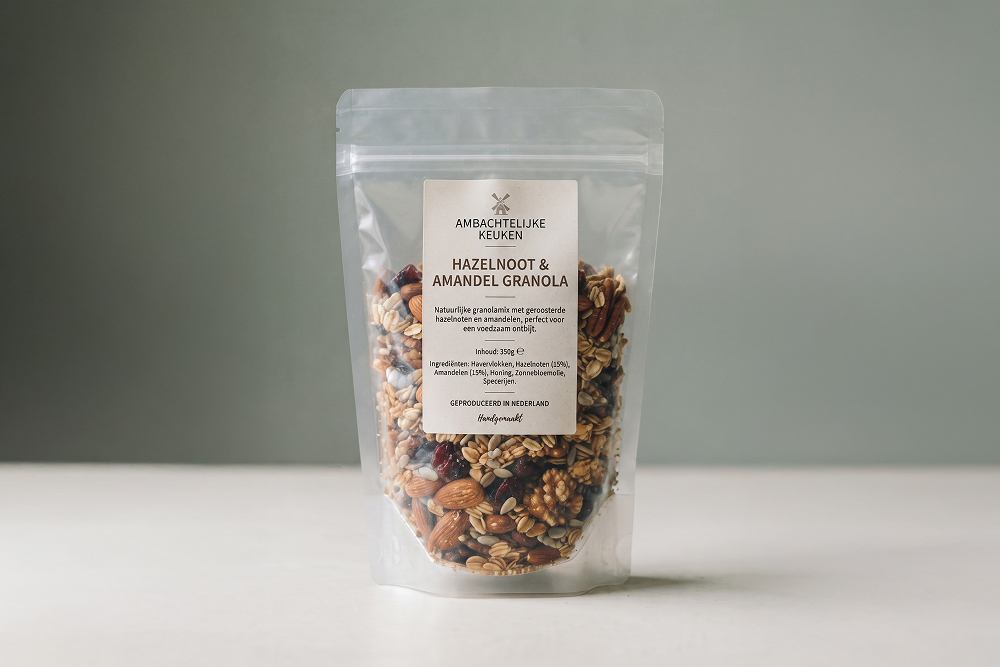
Efficient Inventory Management? Discover How Marisan Supports You from Label to Pallet
Blog
A well-organized inventory system involves more than just stacking boxes. It requires smart labeling, reliable packaging, and secure shipping. At Marisan ...
Read moreOrder faster through our webshop!
Nieuws
NogMeerVerdiepen
Order faster through our webshop! Your repeat order? Now just one click away. Good news! From now on, as an existing customer, you can easily place your packaging or label orders online through our exclusive customer webshop.
Read moreLabels that stick (or don’t): choosing the right adhesive for every application
Blog
Labels are more than just carriers of information. They play a crucial role in product recognition, logistics efficiency and traceability. But even the best-designed label won’t perform as intended without ...
Read moreEPR for packaging: who pays the bill for sustainability?
Blog
Duurzaamheid
Knowledge centre EPR for packaging: who pays the bill for sustainability? EPR or Extended Producer Responsibility sounds like a noble principle. And it is: Europe wants to make producers more...
Read moreThe advantages of IndES modules: faster, cheaper, and more sustainable than blister packaging
Blog
Duurzaamheid
NogMeerVerdiepen
Looking for a modern alternative to tie wraps, blister packaging, or twist ties in an industrial production or retail environment?
Read moreThe FSC label: why responsible forest management makes your brand stronger
Blog
Duurzaamheid
NogMeerVerdiepen
Sustainability is no longer a hype, but a necessity. In a world where consumers and companies are making increasingly conscious choices, environmental labels play an important role.
Read moreSilk paper: the elegant and ecological choice for your packaging
Blog
NogMeerVerdiepen
In a world where sustainability and perception are increasingly important, silk paper is gaining popularity as a packaging material. And rightly so.
Read moreLeiepoort Deinze opts for sustainable non-woven carrier bags by Marisan
Case
Scholengroep Leiepoort Deinze attaches great importance to sustainability, equality and small-scale teaching.
Read moreThank you, Jos. Welcome, Karel!
Nieuws
On April 30, Jos closed his chapter at Marisan after 14 years as Purchase Manager. His dedication, knowledge, and pleasant collaboration made him a strong asset to our team.
Read moreWhat is the difference between woven and non-woven carrier bags?
Blog
NogMeerVerdiepen
When choosing the right carrier bag for your company or campaign, you quickly come across the terms woven and non-woven. But what exactly is the difference between these two types of carrier bags?
Read more