

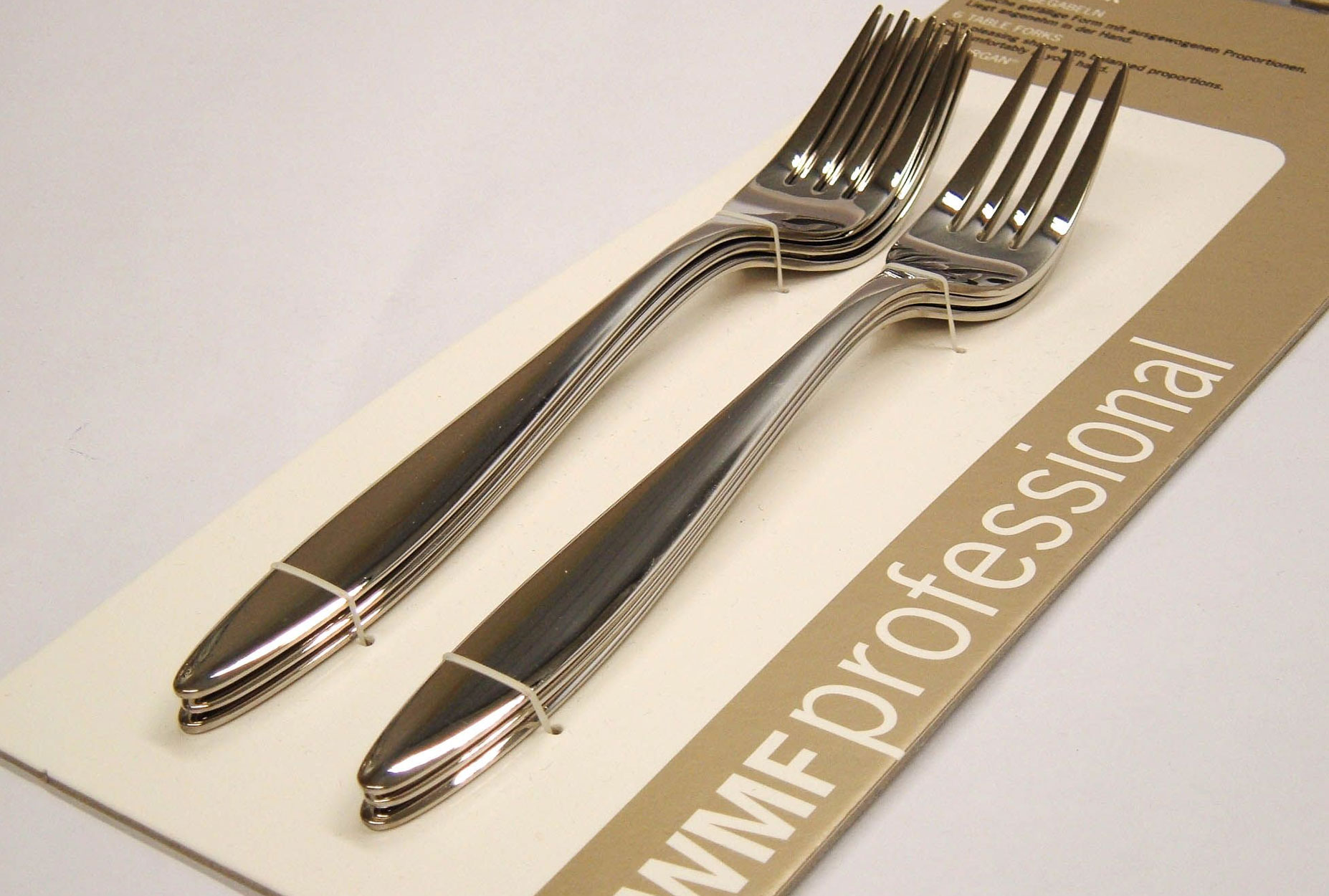
The advantages of IndES modules: faster, cheaper, and more sustainable than blister packaging
Looking for a modern alternative to tie wraps, blister packaging, or twist ties in an industrial production or retail environment? Discover Marisan's pneumatic attachment system: the IndES module! This innovative system offers numerous advantages for companies that want to package and attach products efficiently, sustainably, and in a customer-friendly manner.



Related products
Explore further

Reusable carrier bags are conquering the high street again
Reusable carrier bags have become an increasingly common sight in the streets. From cotton tote bags to sturdy jute bags, customers use them for groceries, work or a day of shopping.
Read more
Paper carrier bags in a new look: bamboo
The world of packaging never stands still. At Marisan, we are constantly exploring new materials and solutions that align with the evolving expectations ...
Read more
Textile labels: legally required and an opportunity to let your brand speak
Textile labels are more than small pieces of fabric. They are used across many sectors, including textiles, healthcare and logistics, and are often integrated early in the production and sales process ...
Read more
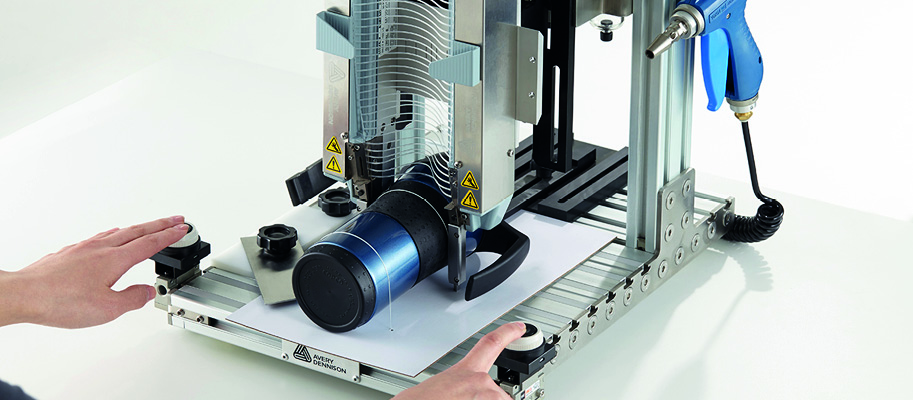
Zéfal runs on efficiency with an IndES module from Marisan
Attachments may seem like a small part of a product, but in an industrial production environment they make a world of difference ...
Read more
Packaging in three layers: what you need to know about primary, secondary and tertiary packaging
Packaging is more than just putting a product in a box. Behind every item lies a smart, three-layer structure ...
Read more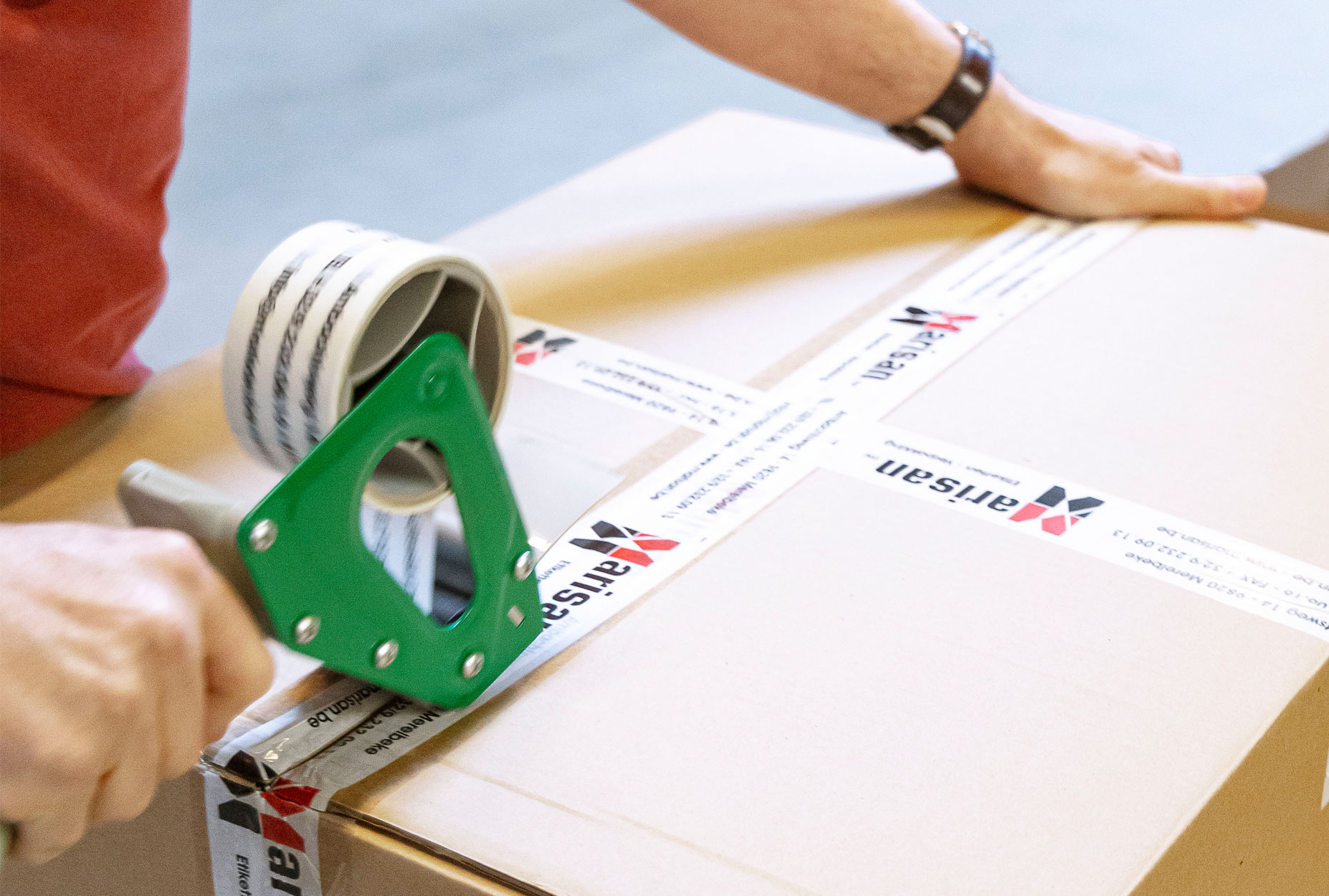
Efficient Inventory Management? Discover How Marisan Supports You from Label to Pallet
A well-organized inventory system involves more than just stacking boxes. It requires smart labeling, reliable packaging, and secure shipping. At Marisan ...
Read more
Order faster through our webshop!
Order faster through our webshop! Your repeat order? Now just one click away. Good news! From now on, as an existing customer, you can easily place your packaging or label orders online through our exclusive customer webshop.
Read more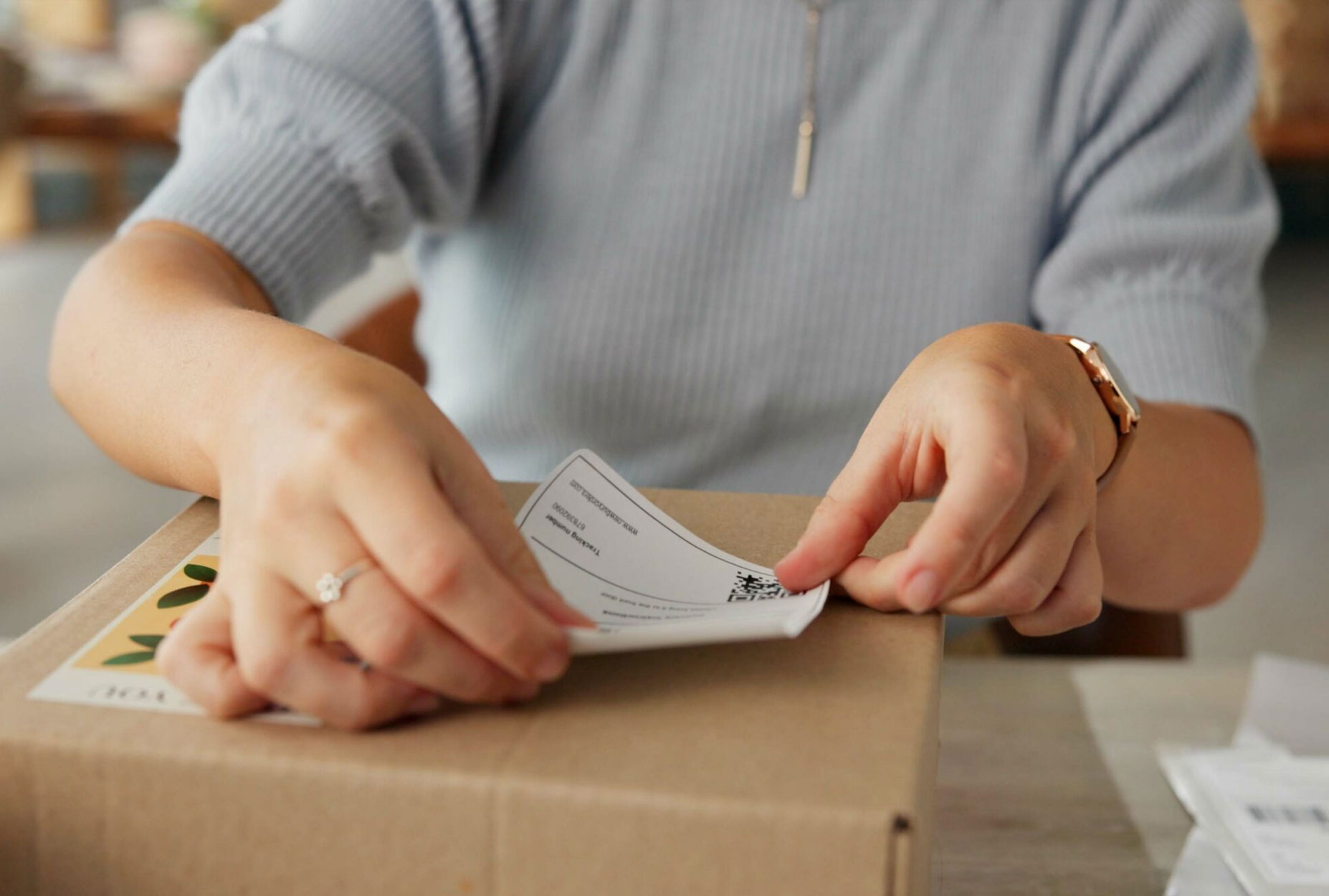
Labels that stick (or don’t): choosing the right adhesive for every application
Labels are more than just carriers of information. They play a crucial role in product recognition, logistics efficiency and traceability. But even the best-designed label won’t perform as intended without ...
Read more
EPR for packaging: who pays the bill for sustainability?
Knowledge centre EPR for packaging: who pays the bill for sustainability? EPR or Extended Producer Responsibility sounds like a noble principle. And it is: Europe wants to make producers more...
Read more
The advantages of IndES modules: faster, cheaper, and more sustainable than blister packaging
Looking for a modern alternative to tie wraps, blister packaging, or twist ties in an industrial production or retail environment?
Read more