


Labels that stick (or don’t): choosing the right adhesive for every application
Labels are more than just carriers of information. They play a crucial role in product recognition, logistics efficiency and traceability. But even the best-designed label won’t perform as intended without the right adhesive. At Marisan, we help you make the right choice. In this article, we’ll take a closer look at the most common types of label adhesives — their properties, advantages and typical applications.

Permanent adhesive: long-lasting adhesion on any surface
Our standard permanent adhesive is suitable for a wide range of applications. Thanks to its strong initial and lasting tack, labels stay firmly in place — even on challenging surfaces such as plastic or metal. This adhesive resists shock and temperature fluctuations, ensuring durable adhesion even in industrial environments.
Typical applications for permanent adhesive labels:
- Product labels on plastic, glass or metal
- Transport labels
- Boxes and industrial packaging
When you need long-term performance and want to be sure your label won’t shift or peel off, this is the most reliable choice.

Removable adhesive: temporary use without residue
For situations where a label is only needed temporarily, our removable adhesives are the perfect fit. They can be removed cleanly and easily, leaving no residue or surface damage. At the same time, they offer sufficient adhesion during use, even on smooth surfaces.
Typical applications for removable adhesive labels:
- Price or promotional labels in retail
- Temporary instruction labels on equipment
- Labels on reusable packaging
Removable adhesive is ideal when flexibility matters — for example, during seasonal promotions or temporary stock identification.

Deep-freeze adhesive: reliable down to -40°C
Labelling in cold environments requires an adhesive that withstands low temperatures and condensation. Our deep-freeze adhesive is specially formulated to perform in refrigerated and frozen conditions. Even at temperatures as low as -40°C, labels retain their tack and legibility. This adhesive is also suitable for use in medical settings, where dependable labelling in cooled laboratories or medical storage is essential.
Typical applications for deep-freeze adhesive labels:
- Labels on frozen food packaging
- Cold chain transport
- Logistics labelling in refrigerated warehouses
- Medical storage of vaccines or samples in fridges and freezers
This adhesive ensures reliability throughout the supply chain — both in the food industry and in healthcare environments.

Rubber-based adhesive: exceptional adhesion on moist or rough surfaces
Our rubber-based adhesive offers exceptionally strong bonding and is designed for difficult surfaces. It performs excellently in humid conditions and adheres well to rough materials such as cardboard or wood. Thanks to its quick tack, this adhesive is ideal for short-term applications that require immediate adhesion.
Typical applications for rubber-based adhesive labels:
- Labels on wet or damp cardboard
- Industrial bulk packaging
- Labelling in cooled production environments
Rubber-based adhesive is the smart choice when speed, strength and versatility are key.

Related products


Explore further
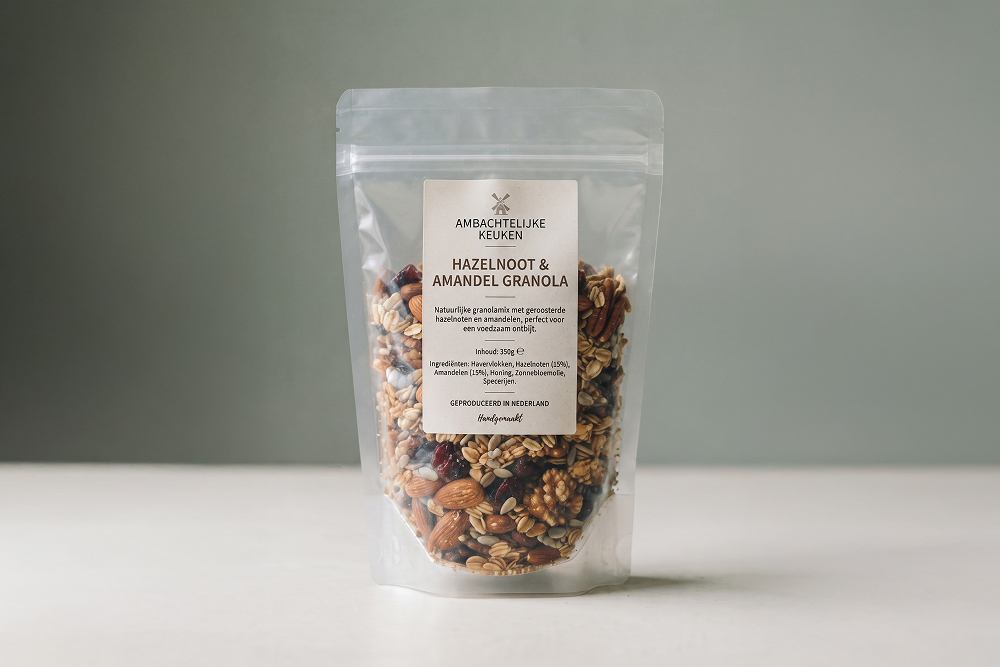
Transparent packaging builds trust and drives sales
Knowledge Centre Transparent packaging builds trust and drives sales Packaging has only a few seconds to attract attention. Colour, shape and printing all play an important role, but sometimes the most powerful presentation ...
Read more
Transport labels and warehouse labels: how to avoid errors and wasted time
In a warehouse or distribution centre, every second counts. An incorrect label, an unreadable barcode or unclear location information can quickly lead to incorrect deliveries, delays and additional costs.
Read more
Mono-material packaging: ready for the new recycling regulations
The packaging industry is on the brink of a major transformation. With the introduction of the Packaging and Packaging Waste Regulation (PPWR), the requirements for recyclability are becoming increasingly stringent ...
Read more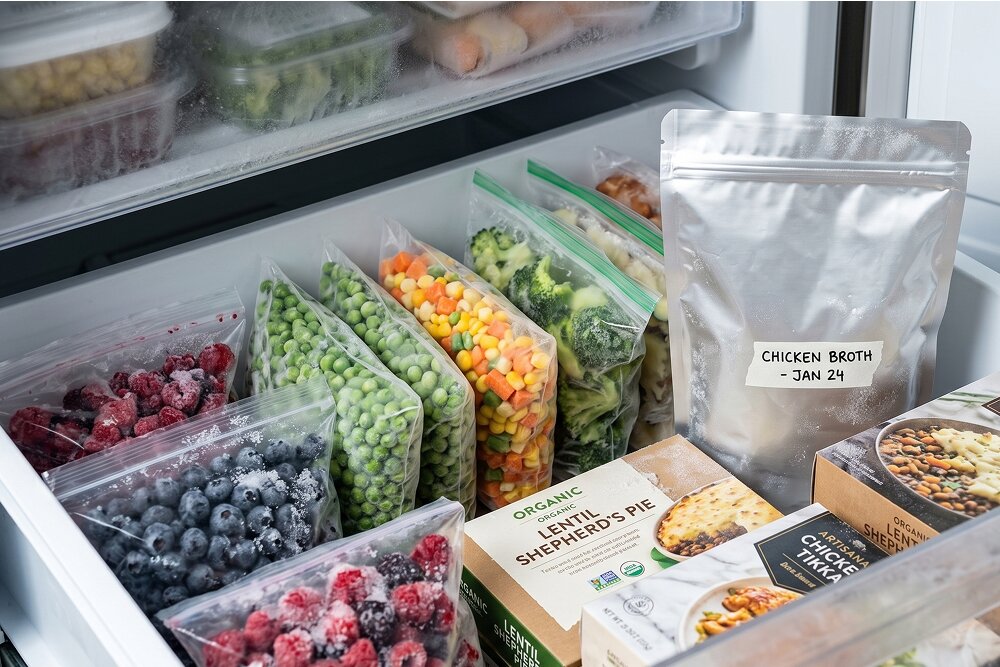
Which packaging solutions are most suitable for frozen products?
Frozen products place high demands on their packaging. Not only must packaging withstand temperatures well below freezing, it must also protect against moisture, freezer burn ...
Read more
Legal requirements for shipping bags: what do shippers and webshops need to know?
Packaging regulations are evolving rapidly. For webshops, logistics companies and businesses that ship parcels every day, it is becoming increasingly important to use packaging correctly, efficiently and sustainably ...
Read more
Thermal vs. thermal transfer labels: what’s the difference and which should you choose?
In the world of labelling and label printing, you’ll quickly encounter two key printing techniques: direct thermal printing and thermal transfer printing. Although they may seem similar at first glance, they differ ...
Read more
Reusable carrier bags are conquering the high street again
Reusable carrier bags have become an increasingly common sight in the streets. From cotton tote bags to sturdy jute bags, customers use them for groceries, work or a day of shopping.
Read more
Paper carrier bags in a new look: bamboo
The world of packaging never stands still. At Marisan, we are constantly exploring new materials and solutions that align with the evolving expectations ...
Read more
Textile labels: legally required and an opportunity to let your brand speak
Textile labels are more than small pieces of fabric. They are used across many sectors, including textiles, healthcare and logistics, and are often integrated early in the production and sales process ...
Read more
Zéfal runs on efficiency with an IndES module from Marisan
Attachments may seem like a small part of a product, but in an industrial production environment they make a world of difference ...
Read more