


The FSC label: why responsible forest management makes your brand stronger
Sustainability is no longer a hype, but a necessity. In a world where consumers and companies are making increasingly conscious choices, environmental labels play an important role. The FSC label is one of the best-known and most reliable certifications when it comes to responsible forest management. But what does it really mean? And why should your company adopt it? In this blog, we explain what the FSC label means, what types there are, and how value it can add to your brand.
The different types of FSC certification
FSC 100%
The product comes entirely from FSC-certified forests. This is the most direct guarantee of sustainable forest management.
FSC Mix
The product consists of a combination of FSC-certified material, recycled material and/or controlled wood. This label offers more flexibility but remains controlled and transparent.

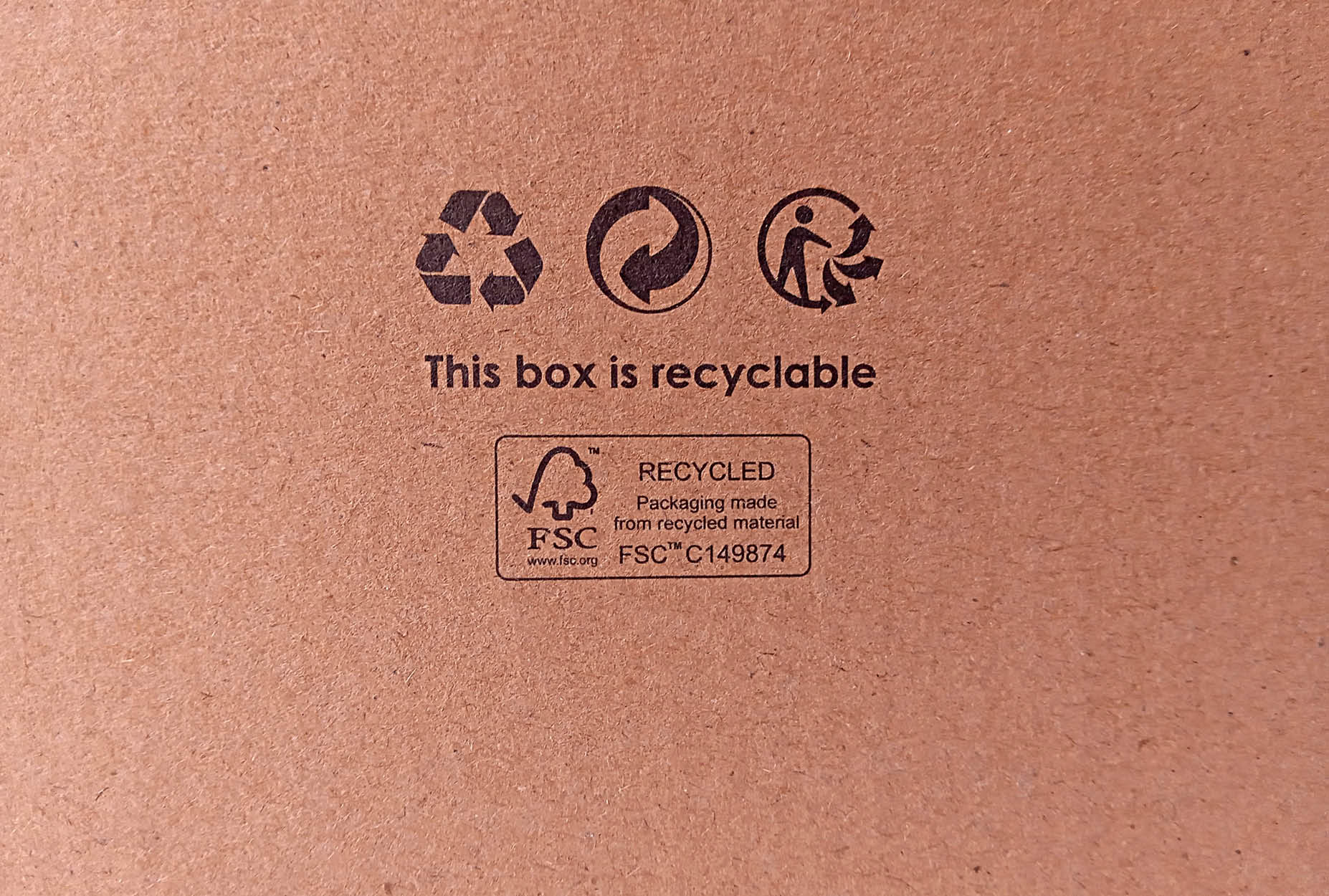
FSC Recycled
The product is made of 100% recycled material. This encourages the reuse of raw materials and reduces waste.

FSC and your brand: a strong reputation booster
Consumers are becoming increasingly aware and expect companies to adopt sustainable policies. Companies that use FSC-certified products show that they take sustainability seriously. This not only reflects on your image, but also strengthens your customers' trust. Moreover, the FSC label is a handy tool in your marketing strategy, especially in sectors where environmental impact and corporate social responsibility (CSR) play a role.
If you use FSC packaging, you signal to your customers that your brand chooses to be responsible. For many B2B customers, this has even become a requirement in tenders or collaborations.
FSC and regulation: one step ahead
With the advent of new European law around packaging (PPWR) and the EU Deforestation Regulation (EUDR), transparency in material sourcing is becoming increasingly important. FSC certification helps companies meet these requirements and stay ahead of future regulations. At Marisan, we closely follow these evolutions and are happy to advise you on the right choices.

Related products

Explore further
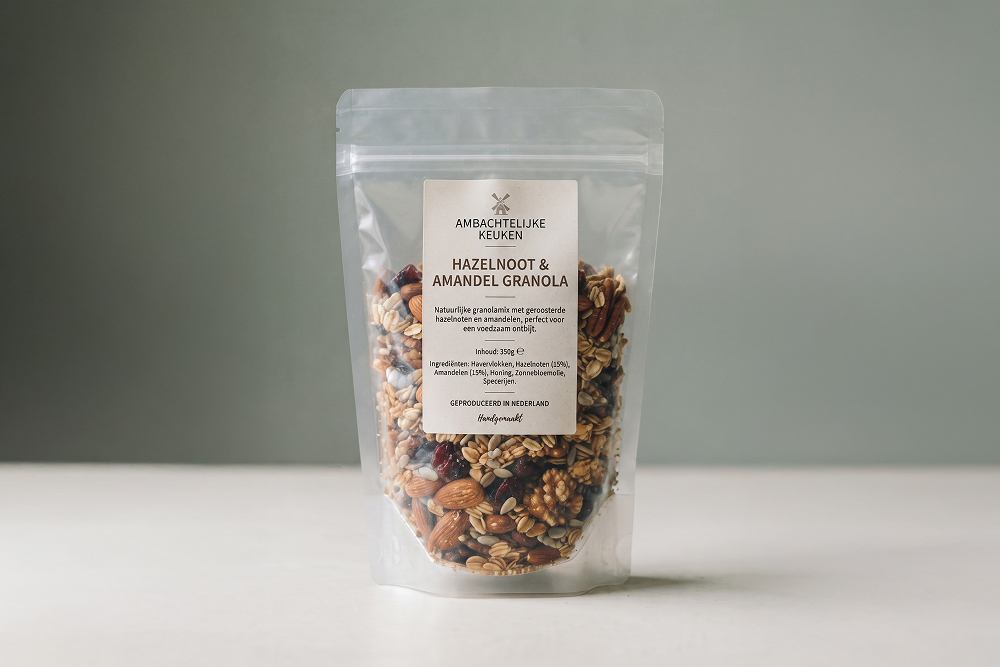
Transparent packaging builds trust and drives sales
Knowledge Centre Transparent packaging builds trust and drives sales Packaging has only a few seconds to attract attention. Colour, shape and printing all play an important role, but sometimes the most powerful presentation ...
Read more
Transport labels and warehouse labels: how to avoid errors and wasted time
In a warehouse or distribution centre, every second counts. An incorrect label, an unreadable barcode or unclear location information can quickly lead to incorrect deliveries, delays and additional costs.
Read more
Mono-material packaging: ready for the new recycling regulations
The packaging industry is on the brink of a major transformation. With the introduction of the Packaging and Packaging Waste Regulation (PPWR), the requirements for recyclability are becoming increasingly stringent ...
Read more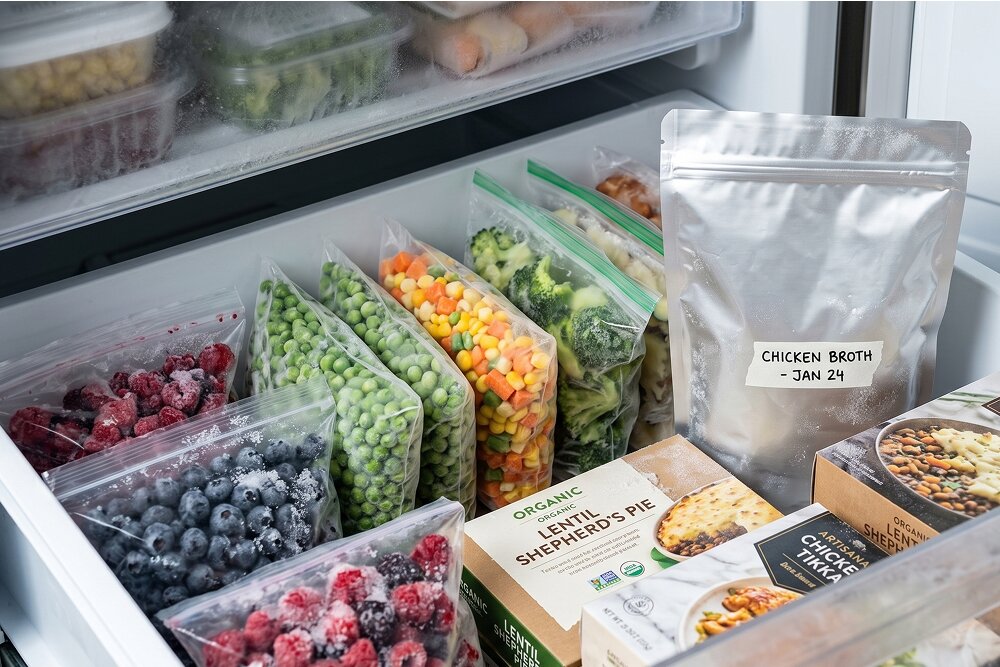
Which packaging solutions are most suitable for frozen products?
Frozen products place high demands on their packaging. Not only must packaging withstand temperatures well below freezing, it must also protect against moisture, freezer burn ...
Read more
Legal requirements for shipping bags: what do shippers and webshops need to know?
Packaging regulations are evolving rapidly. For webshops, logistics companies and businesses that ship parcels every day, it is becoming increasingly important to use packaging correctly, efficiently and sustainably ...
Read more
Thermal vs. thermal transfer labels: what’s the difference and which should you choose?
In the world of labelling and label printing, you’ll quickly encounter two key printing techniques: direct thermal printing and thermal transfer printing. Although they may seem similar at first glance, they differ ...
Read more
Reusable carrier bags are conquering the high street again
Reusable carrier bags have become an increasingly common sight in the streets. From cotton tote bags to sturdy jute bags, customers use them for groceries, work or a day of shopping.
Read more
Paper carrier bags in a new look: bamboo
The world of packaging never stands still. At Marisan, we are constantly exploring new materials and solutions that align with the evolving expectations ...
Read more
Textile labels: legally required and an opportunity to let your brand speak
Textile labels are more than small pieces of fabric. They are used across many sectors, including textiles, healthcare and logistics, and are often integrated early in the production and sales process ...
Read more
Zéfal runs on efficiency with an IndES module from Marisan
Attachments may seem like a small part of a product, but in an industrial production environment they make a world of difference ...
Read more