

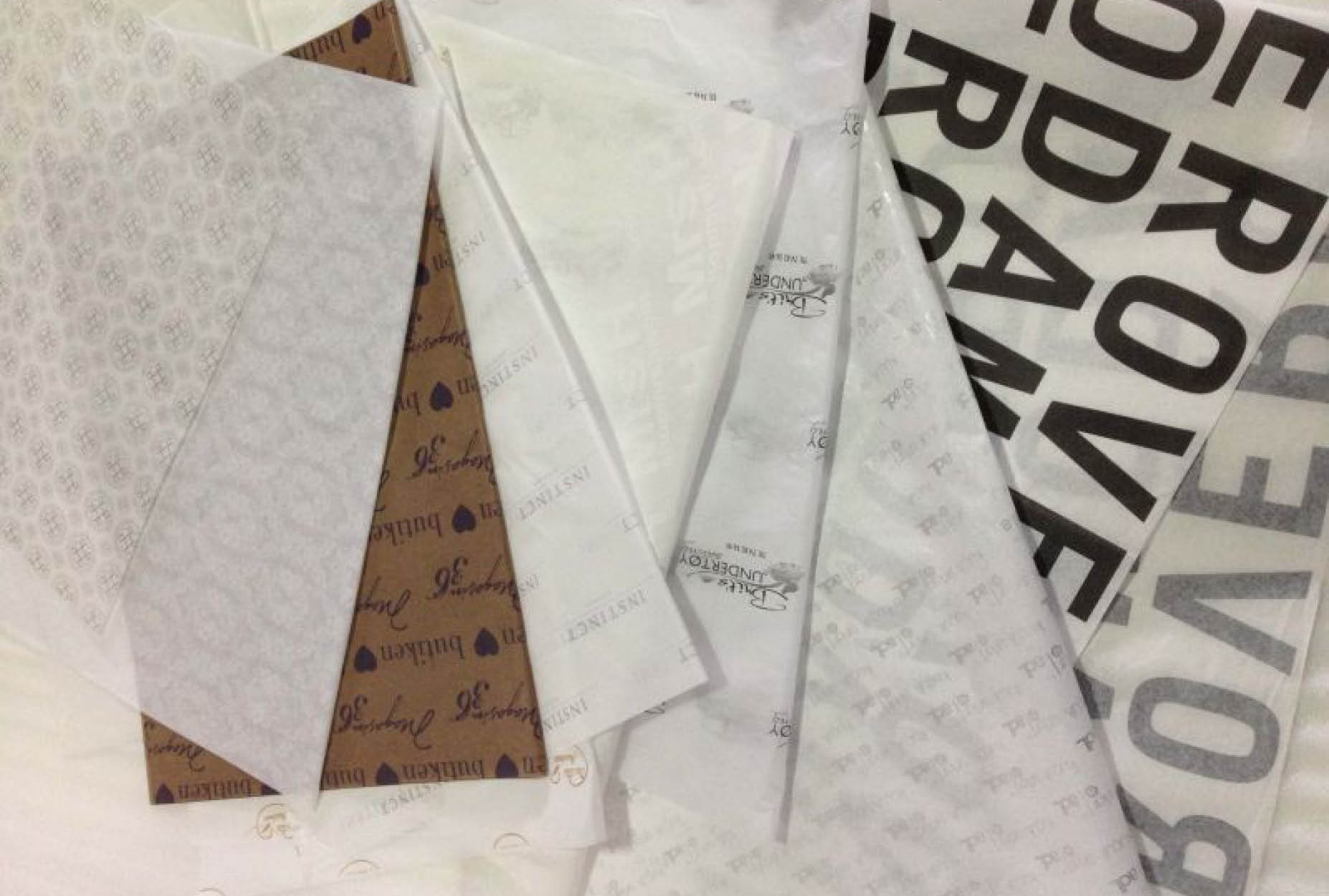
Silk paper: the elegant and ecological choice for your packaging
In a world where sustainability and perception are increasingly important, silk paper is gaining popularity as a packaging material. And rightly so. It combines functionality, style and environmental friendliness in one thin, versatile paper. At Marisan, we are fully committed to materials that not only protect but also enhance your product. And silk paper is a great example.
What makes silk paper so special?
Silk paper - also called tissue paper - is a fine and light paper with a silky texture. It is often used to wrap delicate or aesthetically valuable products. Thanks to its supple structure, it forms effortlessly around any object. And it does so without risk of scratching, rubbing or other damage. Whether glassware, ceramics, leather goods, clothing or jewellery: silk paper provides a soft wrapping and enhances the experience when unwrapped.

Sustainable packaging with a refined touch
At Marisan, sustainability is key. Our silk papers are produced from renewable raw materials and are fully recyclable. By choosing paper over synthetic materials such as bubble plastic or bubble wrap, you reduce your ecological footprint and contribute to a circular economy. Moreover, silk paper fits perfectly within the guidelines of the new European PPWR legislation, which aims to reduce plastic use and make packaging easier to recycle. Want to know more about the PPWR? Then read our blog post ‘PPWR: The new European packaging rules, what do they mean for you?’.
Infinite personalisation possibilities
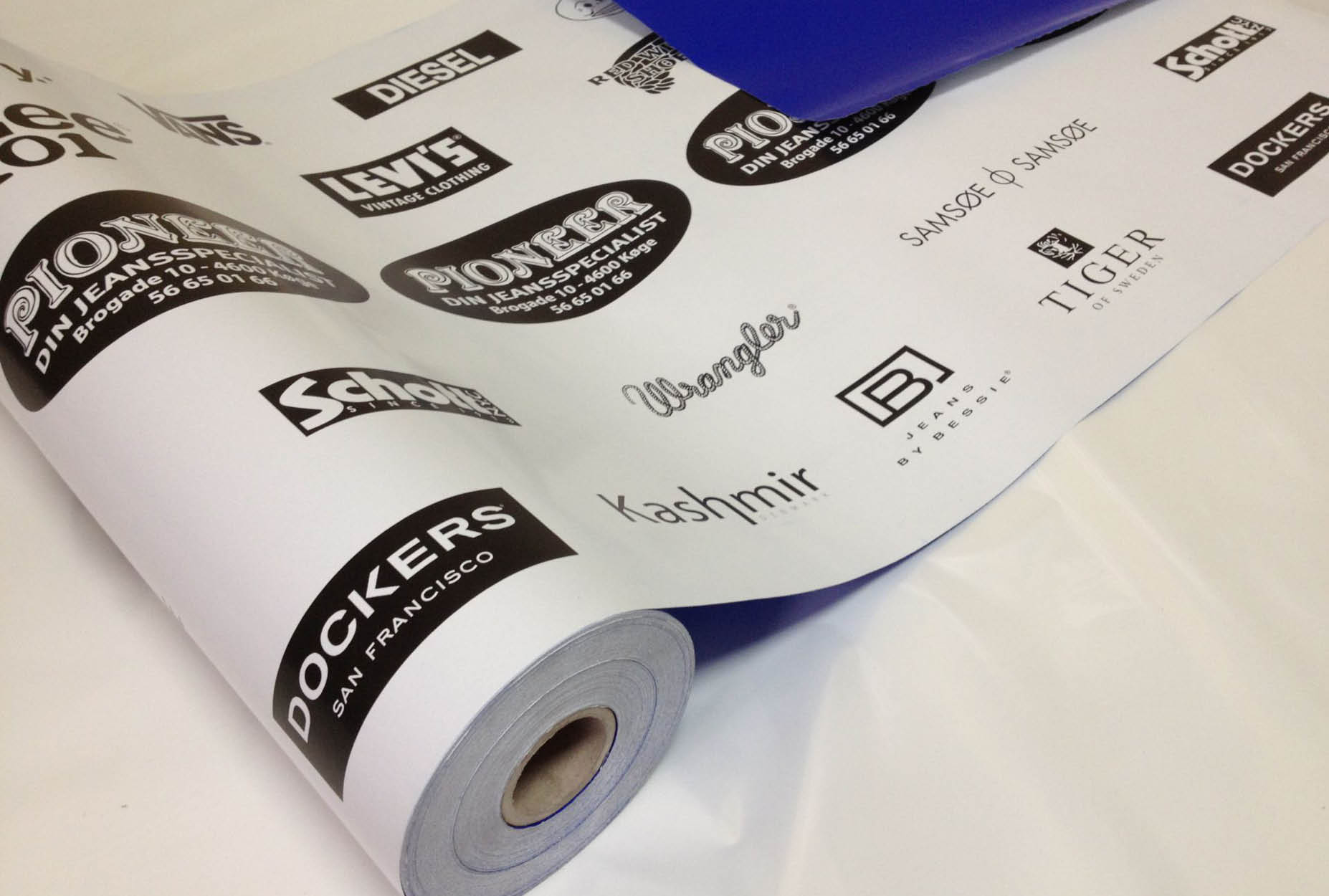
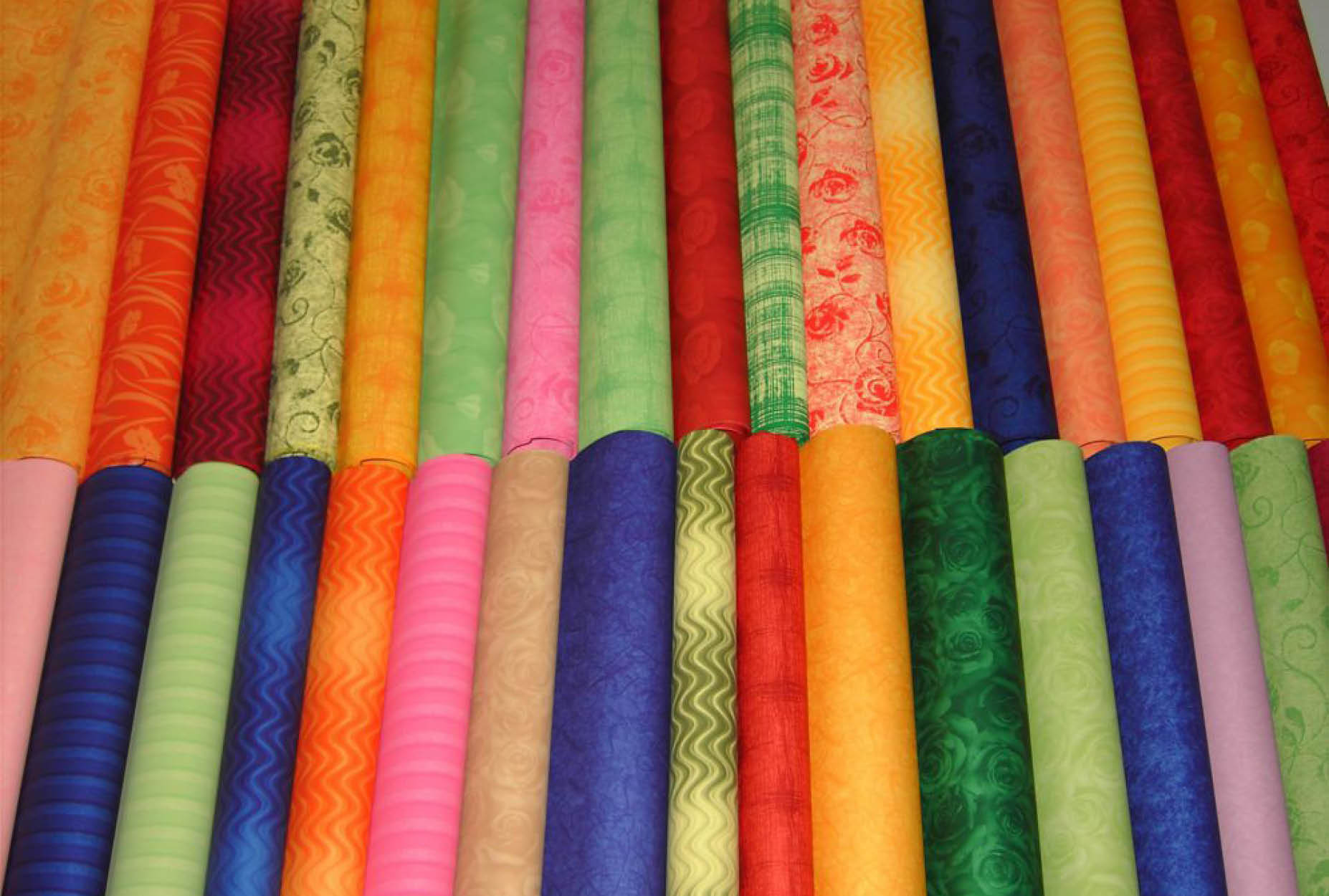
Silk paper is more than a protective layer. It is also a powerful branding tool. Thanks to the possibility of printing in one or more colours, it can be perfectly tailored to your house style or marketing campaign. Add your logo, an inspiring quote or a seasonal message: this way, you create a coherent brand experience down to the smallest detail. And anyone who thinks sustainable cannot be colourful is mistaken! Silk paper is available in a range of colours.

Practical and efficient in use
Besides its aesthetic and ecological assets, silk paper also offers logistical advantages. It is light, compact and easy to pack. You unroll it quickly, tear or cut it to size, and fold it easily around products of different shapes and sizes. This makes it ideal for both smaller retailers and large-scale companies aiming for efficient and neat packaging.

The perfect combination with other Marisan solutions
For fully paper-based packaging, combine silk paper with our paper shipping bags, printed paper tape, sustainable labels or ecological carrier bags. This way, you can create packaging that is not only practical and stylish, but also fully recyclable. And that without compromising on appearance or strength.

Let your brand speak with enduring elegance
When you choose silk paper, you choose packaging with impact. On your customer and on the environment. Would you like to know more about our available colours, formats or printing options? Or would you like to know how silk paper fits into your packaging line? Then feel free to contact our team. We are happy to think along with you!


Explore further
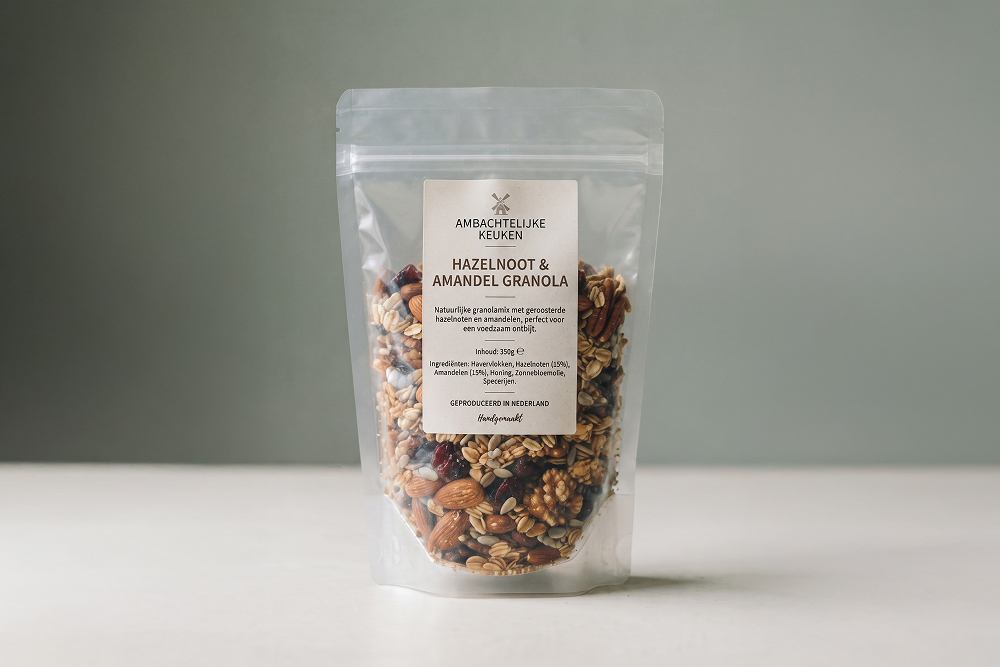
Transparent packaging builds trust and drives sales
Knowledge Centre Transparent packaging builds trust and drives sales Packaging has only a few seconds to attract attention. Colour, shape and printing all play an important role, but sometimes the most powerful presentation ...
Read more
Transport labels and warehouse labels: how to avoid errors and wasted time
In a warehouse or distribution centre, every second counts. An incorrect label, an unreadable barcode or unclear location information can quickly lead to incorrect deliveries, delays and additional costs.
Read more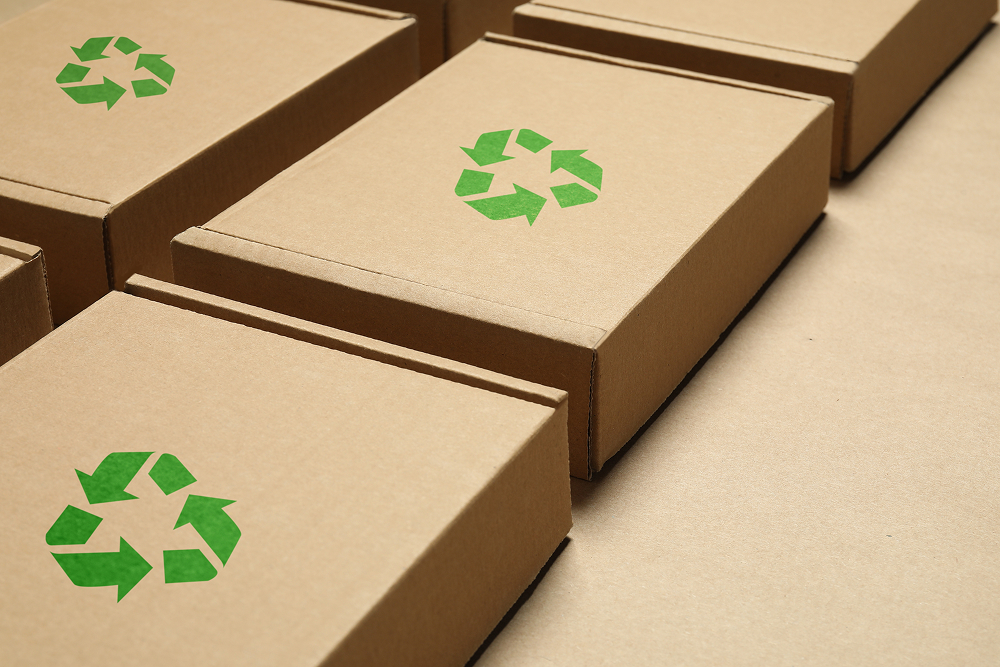
Mono-material packaging: ready for the new recycling regulations
The packaging industry is on the brink of a major transformation. With the introduction of the Packaging and Packaging Waste Regulation (PPWR), the requirements for recyclability are becoming increasingly stringent ...
Read more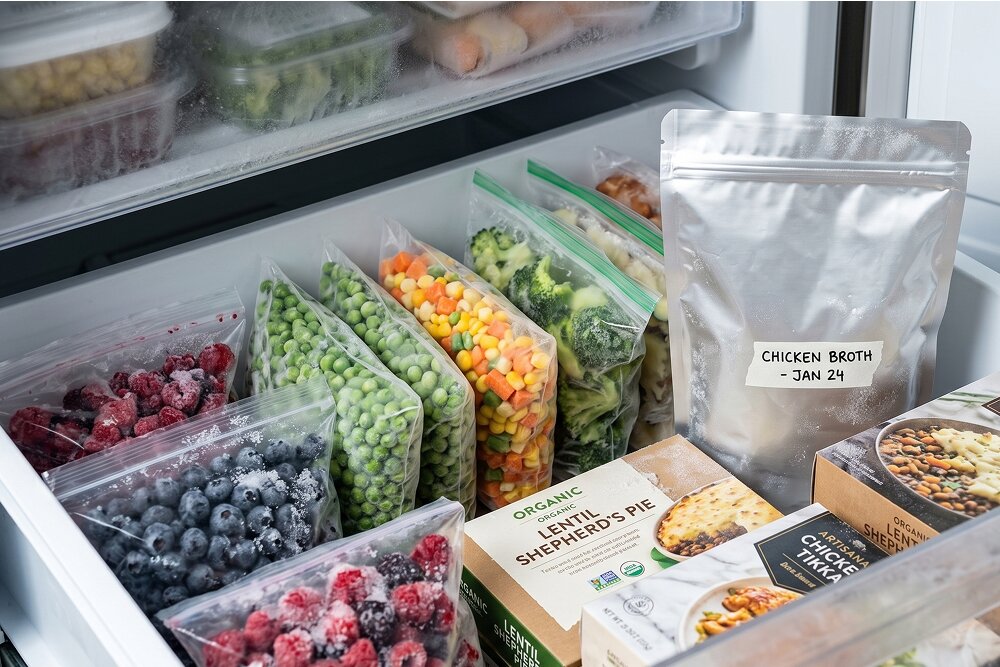
Which packaging solutions are most suitable for frozen products?
Frozen products place high demands on their packaging. Not only must packaging withstand temperatures well below freezing, it must also protect against moisture, freezer burn ...
Read more
Legal requirements for shipping bags: what do shippers and webshops need to know?
Packaging regulations are evolving rapidly. For webshops, logistics companies and businesses that ship parcels every day, it is becoming increasingly important to use packaging correctly, efficiently and sustainably ...
Read more
Thermal vs. thermal transfer labels: what’s the difference and which should you choose?
In the world of labelling and label printing, you’ll quickly encounter two key printing techniques: direct thermal printing and thermal transfer printing. Although they may seem similar at first glance, they differ ...
Read more
Reusable carrier bags are conquering the high street again
Reusable carrier bags have become an increasingly common sight in the streets. From cotton tote bags to sturdy jute bags, customers use them for groceries, work or a day of shopping.
Read more
Paper carrier bags in a new look: bamboo
The world of packaging never stands still. At Marisan, we are constantly exploring new materials and solutions that align with the evolving expectations ...
Read more
Textile labels: legally required and an opportunity to let your brand speak
Textile labels are more than small pieces of fabric. They are used across many sectors, including textiles, healthcare and logistics, and are often integrated early in the production and sales process ...
Read more
Zéfal runs on efficiency with an IndES module from Marisan
Attachments may seem like a small part of a product, but in an industrial production environment they make a world of difference ...
Read more