

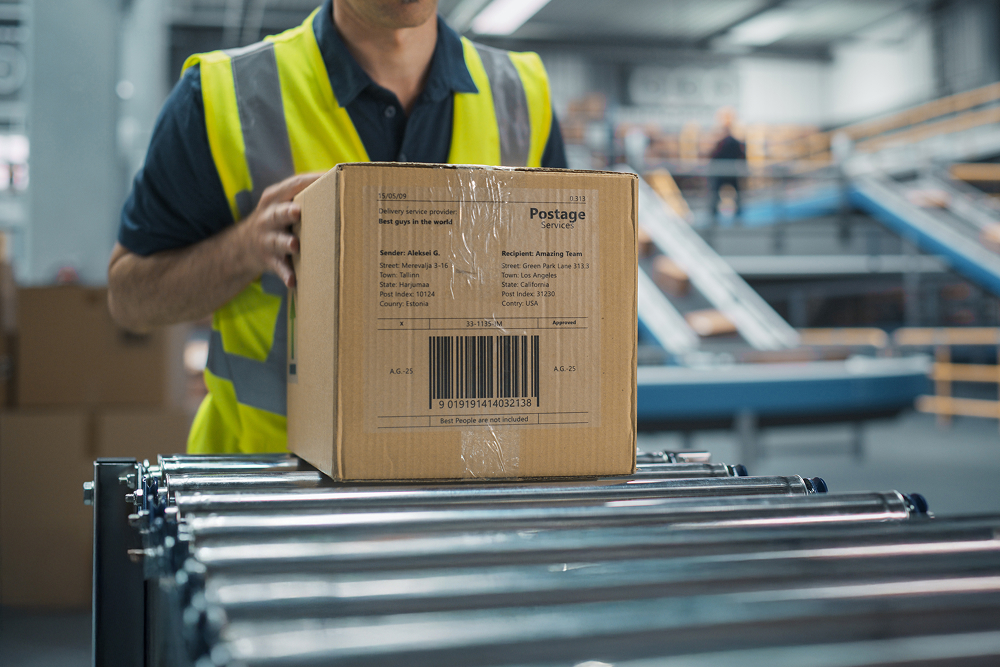
Smart packaging: how government authorities get it right
What do a city festival, a hospital, a police station and a municipal laundry service have in common? More than you might think. They simply can’t do without the right packaging and labels.
Behind the scenes in the public sector, there is plenty of packing, shipping, protecting, labelling and organising going on. But the ideal solution isn’t the same everywhere. A goodie bag for an event needs to meet very different requirements from packaging used in a hospital. And a queue ticket has little in common with a label that needs to remain legible for years in storage.
This also brings new challenges. Government authorities are increasingly focusing on sustainability, circular procurement and innovative material choices. Smart packaging therefore also means taking a critical look at what you really need.Time to explore this surprisingly versatile world of packaging.
A carrier bag as a communication tool
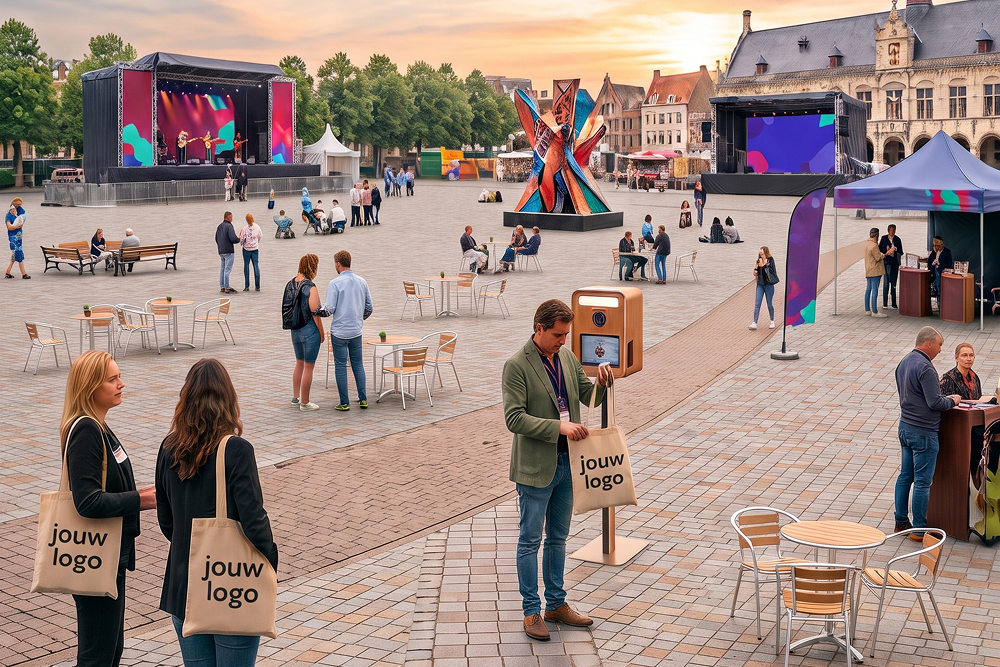
Whether it’s a city festival, information fair, cultural activity or awareness campaign, cities and municipalities regularly hand out brochures, promotional items and information materials. And visitors naturally need something to carry them in.
A printed carrier bag is a smart choice. It makes the materials easy to carry and keeps your message visible even after the event is over. After all, anyone walking through the city with your bag is taking your communication with them.
And what about material choice? Paper, cotton, jute, woven and non-woven materials each have their own properties. Depending on the application, we consider quantities, carrying capacity, appearance and potential for reuse. This means sustainability can start with the choice of packaging itself.

Official documents deserve better than just any envelope
Contracts, files, communication materials, supplies... A great deal is constantly on the move within government services. Between different locations, but also to citizens, suppliers and partners.
That doesn’t automatically mean you need a box. A shipping bag or bag with adhesive strip can be more compact and practical. The size, closure and material can also be tailored to the contents.
Attachments can also play a role when documents or materials need to be securely kept together or identified.
In a hospital, every detail counts
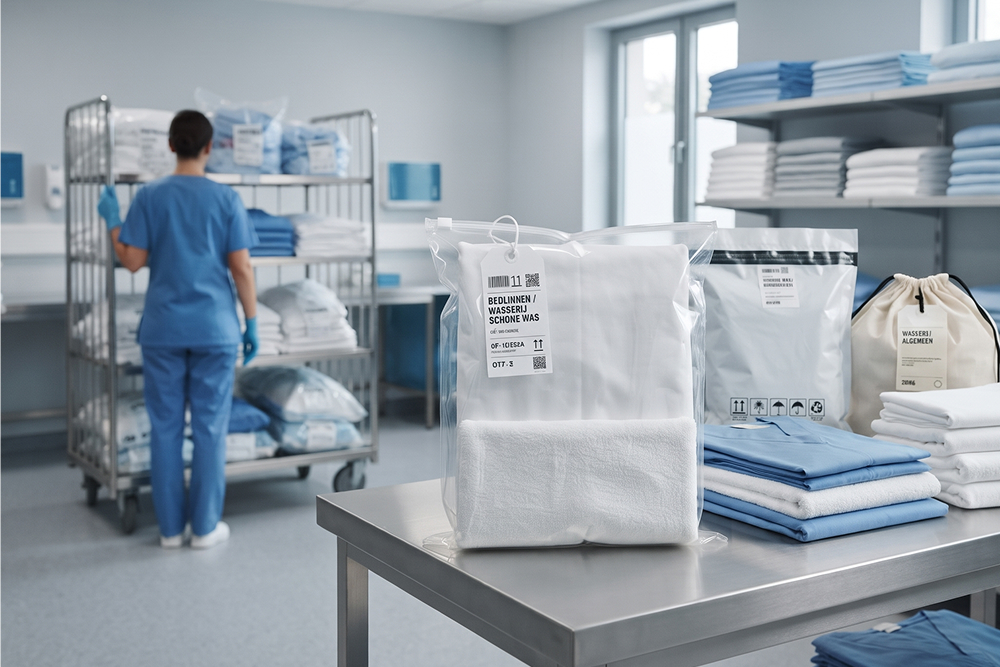
A hospital is certainly no ordinary working environment. Hygiene, protection and correct identification are especially important. Choosing packaging simply because it happens to be the right size? Not exactly the best approach.
The material, closure and ease of use need to suit the specific application. Marisan has, for example, already produced shipping bags for AZ Groeninge.
Ook Public Centres for Social Welfare (OCMWs) and other public organisations with their own laundry services also face specific challenges. Protective covers keep laundry safe, while labels or printing help staff quickly identify where everything belongs. This turns seemingly simple packaging into an important part of smooth day-to-day operations.
Without the right label, finding anything quickly becomes a challenge
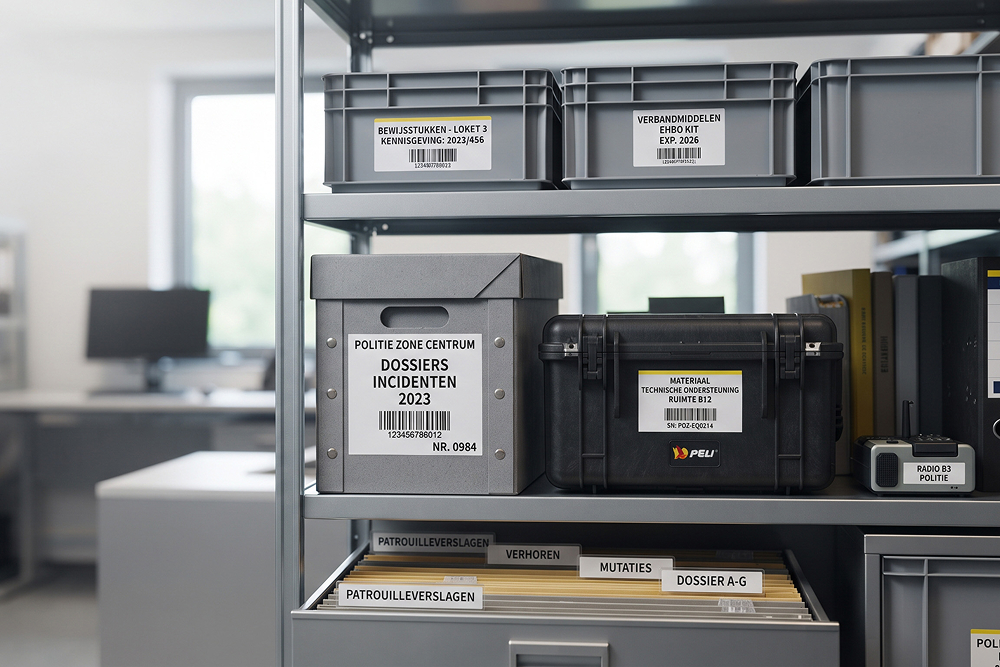
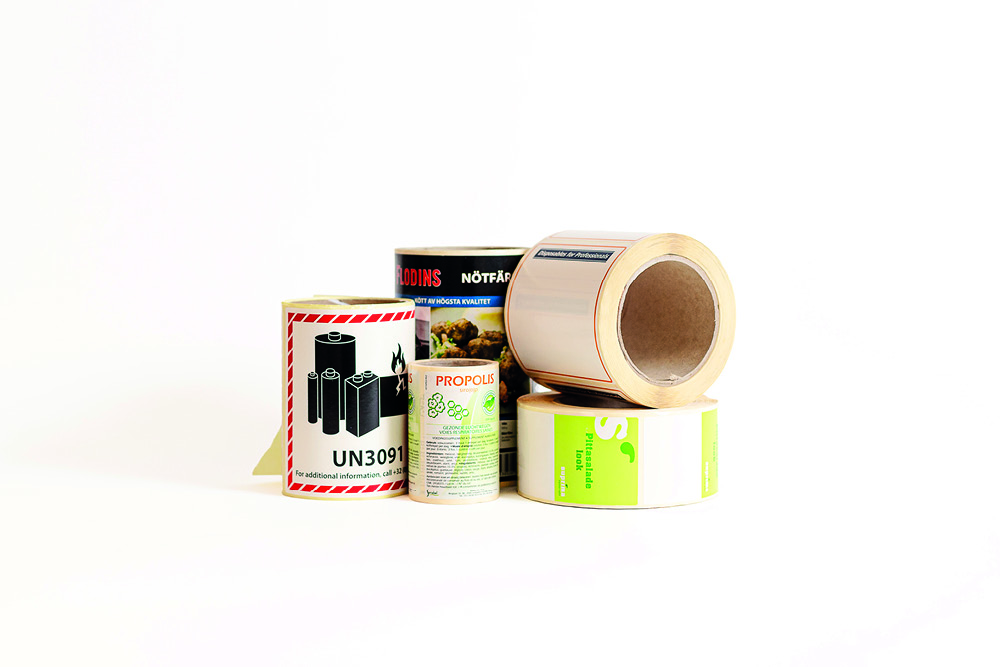
With hundreds or thousands of documents, materials and devices in circulation, you don’t want to have to play detective every time. A good label makes information immediately visible and helps keep processes organised.
This could be a label with a barcode or identification details, or simply a number ticket in the waiting area of a police station or public service. A small piece of paper that can make a big difference to the way your organisation operates.
And no, simply sticking on any label isn’t a good idea. The surface, adhesive strength, operating environment and required lifespan all determine which label is suitable.

Related products



Explore further?

Transparent packaging builds trust and drives sales
Knowledge Centre Transparent packaging builds trust and drives sales Packaging has only a few seconds to attract attention. Colour, shape and printing all play an important role, but sometimes the most powerful presentation ...
Read more
Transport labels and warehouse labels: how to avoid errors and wasted time
In a warehouse or distribution centre, every second counts. An incorrect label, an unreadable barcode or unclear location information can quickly lead to incorrect deliveries, delays and additional costs.
Read more
Mono-material packaging: ready for the new recycling regulations
The packaging industry is on the brink of a major transformation. With the introduction of the Packaging and Packaging Waste Regulation (PPWR), the requirements for recyclability are becoming increasingly stringent ...
Read more
Which packaging solutions are most suitable for frozen products?
Frozen products place high demands on their packaging. Not only must packaging withstand temperatures well below freezing, it must also protect against moisture, freezer burn ...
Read more
Legal requirements for shipping bags: what do shippers and webshops need to know?
Packaging regulations are evolving rapidly. For webshops, logistics companies and businesses that ship parcels every day, it is becoming increasingly important to use packaging correctly, efficiently and sustainably ...
Read more
Thermal vs. thermal transfer labels: what’s the difference and which should you choose?
In the world of labelling and label printing, you’ll quickly encounter two key printing techniques: direct thermal printing and thermal transfer printing. Although they may seem similar at first glance, they differ ...
Read more
Reusable carrier bags are conquering the high street again
Reusable carrier bags have become an increasingly common sight in the streets. From cotton tote bags to sturdy jute bags, customers use them for groceries, work or a day of shopping.
Read more
Paper carrier bags in a new look: bamboo
The world of packaging never stands still. At Marisan, we are constantly exploring new materials and solutions that align with the evolving expectations ...
Read more
Textile labels: legally required and an opportunity to let your brand speak
Textile labels are more than small pieces of fabric. They are used across many sectors, including textiles, healthcare and logistics, and are often integrated early in the production and sales process ...
Read more